
ДиклоФлекс (спрей для наружного применения 4%, 25 г)
МНН: Диклофенак
Производитель: Фарбил Вальтроп ГмбХ
Анатомо-терапевтическо-химическая классификация: Diclofenac
Номер регистрации в РК:
№ РК-ЛС-5№019395
Информация о регистрации в РК:
21.11.2012 — 21.11.2017
- Скачать инструкцию медикамента
Торговое название
ДиклоФлекс
Международное непатентованное название
Диклофенак
Лекарственная форма
Спрей для наружного применения, 4 %, 12.5 г или 25 г
Состав
1 г спрея содержит
активное вещество: натрия диклофенак — 40 мг,
вспомогательные вещества: пропиленгликоль, спирт изопропиловый, лецитин соевый 76 %, этанол, натрия дигидрофосфат дигидрат, динатрия фосфат додекагидрат, динатрия эдетат, масло мятное, аскорбилпальмитат, вода очищенная, кислота хлороводородная, натрия гидроксид.
Описание
Прозрачный раствор золотисто — желтого цвета с запахом спирта изопропилового и мяты перечной.
Фармакотерапевтическая группа
Нестероидные противовоспалительные препараты для местного применения.
Код АТХ М02АА15
Фармакологические свойства
Фармакокинетика
После распыления на кожу 1.5 г препарата, наблюдается быстрое начало абсорбции диклофенака. Через 30 минут после нанесения на кожу, плазменные уровни достигают значений около 1 нг/мл. Максимальные уровни, составляющие около 3 нг/мл, наблюдаются приблизительно через 24 часа. Системные концентрации диклофенака приблизительно в 50 раз ниже концентраций, которые достигаются после перорального приема эквивалентных количеств диклофенака. Предполагается, что системные плазменные уровни не влияют на эффективность ДиклоФлекса.
Диклофенак интенсивно связывается белками плазмы (приблизительно 99 %).
Фармакодинамика
ДиклоФлекс – нестероидное противовоспалительное средство (НПВС). Оказывает выраженное противовоспалительное, обезболивающее и умеренное жаропонижающее действие.
Основным механизмом действия диклофенака является торможение биосинтеза простагландинов, играющих важную роль в генезе воспаления, боли и лихорадки.
ДиклоФлекс используется для устранения болевого синдрома и уменьшения отечности, связанной с воспалительным процессом.
Показания к применению
— локальное симптоматическое облегчение легкой и умеренной боли и воспаления сухожилий, связок, мышц и суставов, обусловленных травмой.
Способ применения и дозы
Только для нанесения на кожу.
После распыления препарат приобретает гелеобразную консистенцию. При каждом нажатии распылителя выделяется около 0.2 г спрея, содержащего 8 мг натрия диклофенака.
Взрослые
Рекомендованная доза для нанесения на кожу составляет 1.0 — 3.0 г спрея в сутки.
Однократная доза препарата не должна превышать 1.0 г спрея (содержащего 40 мг натрия диклофенака), что составляет 5 нажатий распылителя. Максимальная суточная доза не должна превышать 3.0 г спрея (содержащего 120 мг натрия диклофенака), что составляет 15 нажатий распылителя.
Следует наносить достаточное количество ДиклоФлекс на кожу пораженного участка. В зависимости от размера обрабатываемого участка, препарат необходимо применять 3 раза в сутки 4-5 нажатиями распылителя, через регулярные интервалы времени.
ДиклоФлекс следует осторожно втирать в кожу, после чего необходимо тщательно вымыть руки, кроме случаев, когда руки являются обрабатываемым участком. После нанесения на кожу, препарат должен высохнуть в течение нескольких минут.
Лечение препаратом может быть прекращено при уменьшении симптомов (боли и отека). Лечение не должно продолжаться свыше 7 дней без консультации врача. Следует проконсультироваться с врачом, если улучшение не наступает после 3 дней лечения.
Пожилые пациенты
Специальной корректировки дозы не требуется.
Дети
Опыта применения у детей нет, поэтому, ДиклоФлекс не рекомендуется для применения у детей до 15 лет.
Пациенты c печеночной или почечной недостаточностью
У пациентов с нарушениями функций почек и печени препарат следует применять с осторожностью.
Побочные действия
Часто
— реакции в месте нанесения, зуд и крапивница, сухость, гиперемия, чувство жжения, контактный дерматит
Нечасто
— боль в животе, диспепсия, нарушения пищеварительного тракта
— нарушение функции почек
Редко
— астма
Очень редко
— генерализованная кожная сыпь и реакции гиперчувствительности, такие как ангионевротический отек и реакции фоточувствительности.
Противопоказания
— повышенная чувствительность к диклофенаку или к любому из
вспомогательных веществ лекарственного препарата
— повышенная чувствительность к ацетилсалициловой кислоте или другим
нестероидным противовоспалительным препаратам
— бронхиальная астма, крапивница или ринит, спровоцированные приемом
ацетилсалициловой кислоты или других нестероидных
противовоспалительных препаратов
— период беременности и лактации
— нанесение на область молочных желез
— детский и подростковый возраст до 15 лет.
Лекарственные взаимодействия
Системная биодоступность диклофенака из данной лекарственной формы очень низкая. Следовательно, риск взаимодействия с другими лекарственными препаратами невелик.
Одновременный прием ацетилсалициловой кислоты или других НПВС может привести к увеличению частоты побочных реакций.
Особые указания
Не следует допускать попадания препарата в глаза и на слизистые оболочки. ДиклоФлекс следует наносить только на неповрежденную кожу, избегая попадания на открытые раны или пораженные участки кожи. Необходимо избегать избыточного воздействия солнечного света во время лечения препаратом для уменьшения риска фоточувствительности.
При возникновении сыпи, лечение следует прекратить.
ДиклоФлекс не применяют с окклюзионной повязкой.
Препарат нельзя наносить на обширные участки кожи (более 600 квадратных сантиметров поверхности тела) и использовать в течение продолжительного периода времени (более четырех недель) из-за возможности развития системных побочных эффектов (гиперчувствительности, астматических реакций или побочных эффектов со стороны почек). У пациентов, страдающих от бронхиальной астмы, или имеющих ее в анамнезе, приступ бронхоспазма может быть ускорен.
ДиклоФлекс следует применять с осторожностью у больных с пептической язвой, печеночной или почечной недостаточностью, или геморрагическим диатезом, а также воспалительными заболеваниями кишечника.
Пропиленгликоль, содержащийся в препарате ДиклоФлекс, может вызывать кожное раздражение, масло мяты перечной может вызвать аллергические реакции.
Для снижения риска развития нежелательных явлений, следует использовать минимальную эффективную дозу при минимально коротком курсе лечения.
Особенности влияния лекарственного средства на способность управлять транспортом и другими потенциально опасными механизмами
ДиклоФлекс оказывал незначительное влияние на способность управлять автомобилем и пользоваться механизмами. Пациенты, которые страдают головокружением или другими нарушениями со стороны центральной нервной системы во время приема НПВС, должны воздерживаться от управления транспортом и пользования механизмами, но такие симптомы чрезвычайно маловероятны при использовании препаратов для наружного применения.
Передозировка
Во время применения препарата в рекомендуемой дозе риск передозировки отсутствует. При случайном пероральном введении препарата следует провести симптоматическое лечение. Специфического антидота нет.
Форма выпуска и упаковка
По 12.5 г или 25 г препарата во флаконах из темного стекла (тип III Евр.Фарм.) с номинальным объемом наполнения 15 мл или 30 мл, оснащенных распылителем и защитным колпачком из пластиковых материалов.
По 1 флакону вместе с инструкцией по медицинскому применению лекарственного средства на государственном и русском языках помещают в картонную коробку.
Условия хранения
Хранить при температуре не выше 25º С, в оригинальной упаковке.
Хранить в недоступном для детей месте!
Срок хранения
3 года
После первого вскрытия упаковки — 6 месяцев.
Не использовать после окончания срока годности, указанного на упаковке.
Условия отпуска из аптек
Без рецепта
Производитель
Фарбил Вальтроп ГмбХ,
Им Вирриген 25, 45731, Вальтроп, Германия
Владелец регистрационного удостоверения
ФармаСвисс Чешская Республика с.р.о., Чешская Республика.
Джанковкова 1569/2с, 17000, Прага 7, Чешская Республика
Телефон: +386 (0) 1 236 47 12, факс: +386 (0) 1 236 47 05
Адрес организации, принимающей на территории Республики Казахстан претензии от потребителей по качеству продукции (товара):
ТОО «Adalan», Республика Казахстан, 050057, г. Алматы, ул. Тимирязева, 42, павильон 23, офис 202. Тел. + 7(727) 269-54-59.
Е-mail: reg@adalan.kz.
| 507320481477977015_ru.doc | 81 кб |
| 929192781477978192_kz.doc | 61 кб |
Отправить прикрепленные файлы на почту
Национальный центр экспертизы лекарственных средств, изделий медицинского назначения и медицинской техники


Diclofast Spray provides effective and quick pain relief in symptoms such as osteoarthritis, cervical spondylitis, knee pain, tissue joint pains and minor sports injuries.
- Benefits
- Ingredients
- Size
Benefits
- Diclofast Spray is a medicine ointment that contains Diclofenac, Linseed oil, Methyl salicyate and Menthol.
- Diclofast Spray is used for in the treatment of upper and lower back pain, backache, muscular sprain, frozen shoulder, muscle strain and joint pain.
Indication
- Lower Backpain
- Knee & Joint Pain
- Sprains
- Strains
- Arthritis Pain
- Muscular Aches
- Tissue Inflammation
- Swelling (Edema)
- Cervical Spondylosis
- Osteoarthritis
Ingredients
Diclofenac diethylamine 1.16 % , Methyl salicyate 10% , Menthol 5 %, Linseed oil 3 %.
Спрей для наружного применения, 4 %, 12.5 г или 25 г
1 г спрея содержит
активное вещество: натрия диклофенак — 40 мг,
вспомогательные вещества: пропиленгликоль, спирт изопропиловый, лецитин соевый 76 %, этанол, натрия дигидрофосфат дигидрат, динатрия фосфат додекагидрат, динатрия эдетат, масло мятное, аскорбилпальмитат, вода очищенная, кислота хлороводородная, натрия гидроксид.
Описание
Прозрачный раствор золотисто — желтого цвета с запахом спирта изопропилового и мяты перечной.
Нестероидные противовоспалительные препараты для местного применения.
Код АТХ М02АА15
Фармакокинетика
После распыления на кожу 1.5 г препарата, наблюдается быстрое начало абсорбции диклофенака. Через 30 минут после нанесения на кожу, плазменные уровни достигают значений около 1 нг/мл. Максимальные уровни, составляющие около 3 нг/мл, наблюдаются приблизительно через 24 часа. Системные концентрации диклофенака приблизительно в 50 раз ниже концентраций, которые достигаются после перорального приема эквивалентных количеств диклофенака. Предполагается, что системные плазменные уровни не влияют на эффективность ДиклоФлекса.
Диклофенак интенсивно связывается белками плазмы (приблизительно 99 %).
Фармакодинамика
ДиклоФлекс – нестероидное противовоспалительное средство (НПВС). Оказывает выраженное противовоспалительное, обезболивающее и умеренное жаропонижающее действие.
Основным механизмом действия диклофенака является торможение биосинтеза простагландинов, играющих важную роль в генезе воспаления, боли и лихорадки.
ДиклоФлекс используется для устранения болевого синдрома и уменьшения отечности, связанной с воспалительным процессом.
— локальное симптоматическое облегчение легкой и умеренной боли и воспаления сухожилий, связок, мышц и суставов, обусловленных травмой.
Только для нанесения на кожу.
После распыления препарат приобретает гелеобразную консистенцию. При каждом нажатии распылителя выделяется около 0.2 г спрея, содержащего 8 мг натрия диклофенака.
Взрослые
Рекомендованная доза для нанесения на кожу составляет 1.0 — 3.0 г спрея в сутки.
Однократная доза препарата не должна превышать 1.0 г спрея (содержащего 40 мг натрия диклофенака), что составляет 5 нажатий распылителя. Максимальная суточная доза не должна превышать 3.0 г спрея (содержащего 120 мг натрия диклофенака), что составляет 15 нажатий распылителя.
Следует наносить достаточное количество ДиклоФлекс на кожу пораженного участка. В зависимости от размера обрабатываемого участка, препарат необходимо применять 3 раза в сутки 4-5 нажатиями распылителя, через регулярные интервалы времени.
ДиклоФлекс следует осторожно втирать в кожу, после чего необходимо тщательно вымыть руки, кроме случаев, когда руки являются обрабатываемым участком. После нанесения на кожу, препарат должен высохнуть в течение нескольких минут.
Лечение препаратом может быть прекращено при уменьшении симптомов (боли и отека). Лечение не должно продолжаться свыше 7 дней без консультации врача. Следует проконсультироваться с врачом, если улучшение не наступает после 3 дней лечения.
Пожилые пациенты
Специальной корректировки дозы не требуется.
Дети
Опыта применения у детей нет, поэтому, ДиклоФлекс не рекомендуется для применения у детей до 15 лет.
Пациенты c печеночной или почечной недостаточностью
У пациентов с нарушениями функций почек и печени препарат следует применять с осторожностью.
Часто
— реакции в месте нанесения, зуд и крапивница, сухость, гиперемия, чувство жжения, контактный дерматит
Нечасто
— боль в животе, диспепсия, нарушения пищеварительного тракта
— нарушение функции почек
Редко
— астма
Очень редко
— генерализованная кожная сыпь и реакции гиперчувствительности, такие как ангионевротический отек и реакции фоточувствительности.
— повышенная чувствительность к диклофенаку или к любому из
вспомогательных веществ лекарственного препарата
— повышенная чувствительность к ацетилсалициловой кислоте или другим
нестероидным противовоспалительным препаратам
— бронхиальная астма, крапивница или ринит, спровоцированные приемом
ацетилсалициловой кислоты или других нестероидных
противовоспалительных препаратов
— период беременности и лактации
— нанесение на область молочных желез
— детский и подростковый возраст до 15 лет.
Системная биодоступность диклофенака из данной лекарственной формы очень низкая. Следовательно, риск взаимодействия с другими лекарственными препаратами невелик.
Одновременный прием ацетилсалициловой кислоты или других НПВС может привести к увеличению частоты побочных реакций.
Не следует допускать попадания препарата в глаза и на слизистые оболочки. ДиклоФлекс следует наносить только на неповрежденную кожу, избегая попадания на открытые раны или пораженные участки кожи. Необходимо избегать избыточного воздействия солнечного света во время лечения препаратом для уменьшения риска фоточувствительности.
При возникновении сыпи, лечение следует прекратить.
ДиклоФлекс не применяют с окклюзионной повязкой.
Препарат нельзя наносить на обширные участки кожи (более 600 квадратных сантиметров поверхности тела) и использовать в течение продолжительного периода времени (более четырех недель) из-за возможности развития системных побочных эффектов (гиперчувствительности, астматических реакций или побочных эффектов со стороны почек). У пациентов, страдающих от бронхиальной астмы, или имеющих ее в анамнезе, приступ бронхоспазма может быть ускорен.
ДиклоФлекс следует применять с осторожностью у больных с пептической язвой, печеночной или почечной недостаточностью, или геморрагическим диатезом, а также воспалительными заболеваниями кишечника.
Пропиленгликоль, содержащийся в препарате ДиклоФлекс, может вызывать кожное раздражение, масло мяты перечной может вызвать аллергические реакции.
Для снижения риска развития нежелательных явлений, следует использовать минимальную эффективную дозу при минимально коротком курсе лечения.
Особенности влияния лекарственного средства на способность управлять транспортом и другими потенциально опасными механизмами
ДиклоФлекс оказывал незначительное влияние на способность управлять автомобилем и пользоваться механизмами. Пациенты, которые страдают головокружением или другими нарушениями со стороны центральной нервной системы во время приема НПВС, должны воздерживаться от управления транспортом и пользования механизмами, но такие симптомы чрезвычайно маловероятны при использовании препаратов для наружного применения.
Во время применения препарата в рекомендуемой дозе риск передозировки отсутствует. При случайном пероральном введении препарата следует провести симптоматическое лечение. Специфического антидота нет.
По 12.5 г или 25 г препарата во флаконах из темного стекла (тип III Евр.Фарм.) с номинальным объемом наполнения 15 мл или 30 мл, оснащенных распылителем и защитным колпачком из пластиковых материалов.
По 1 флакону вместе с инструкцией по медицинскому применению лекарственного средства на государственном и русском языках помещают в картонную коробку.
Хранить при температуре не выше 25º С, в оригинальной упаковке.
Хранить в недоступном для детей месте!
3 года
После первого вскрытия упаковки — 6 месяцев.
Не использовать после окончания срока годности, указанного на упаковке.
Фарбил Вальтроп ГмбХ,
Им Вирриген 25, 45731, Вальтроп, Германия
| Trade Name | Diclofast |
| Availability | Prescription only |
| Generic | Diclofenac |
| Diclofenac Other Names | Diclofenac, Diclofenac acid, Diclofenaco, Diclofenacum |
| Related Drugs | Humira, Ubrelvy, Buprenex, Botox, aspirin, prednisone, ibuprofen, acetaminophen, tramadol, meloxicam |
| Weight | 1%w/w |
| Type | Tablet, Gel |
| Formula | C14H11Cl2NO2 |
| Weight | Average: 296.149 Monoisotopic: 295.016684015 |
| Protein binding |
Diclofenac is over 99.7% bound to serum proteins, primarily albumin. It is undergoes limited binding to lipoproteins as well with 1.1% bound to HDL, 0.3% to LDL, and 0.15% to VLDL. |
| Groups | Approved, Vet approved |
| Therapeutic Class | Ophthalmic Non-Steroid drugs |
| Manufacturer | Lark Laboratories Ltd, Medisearch Pharmacal(pvt) Ltd |
| Available Country | India, Pakistan |
| Last Updated: | September 19, 2023 at 7:00 am |
Diclofast
Diclofast Eye Drops contains Diclofast Sodium, a potent non-steroidal anti-inflammatory drug with analgesic property. Diclofast Sodium produces anti-inflammatory effect by inhibiting cyclooxygenase activity with a reduction in the tissue prostaglandin ( such as PgE2 and Pg F2α) .
Diclofast reduces inflammation and by extension reduces nociceptive pain and combats fever. It also increases the risk of developing a gastrointestinal ulcer by inhibiting the production of protective mucus in the stomach.
Uses
Diclofast Sodium ophthalmic preparation is used for-
- Inhibition of miosis during cataract surgery.
- Post-operative inflammation after cataract surgery and other ocular surgical procedures.
- Pre-operative and post-operative prevention of cystoid macular edema (CME) associated with lens extraction & intraocular lens implantation.
- Post-traumatic inflammation in penetrating and non- penetrating wounds (as an adjuvant to local anti-infective therapy).
- Non-infected chronic conjunctivitis, keratoconjunctivitis.
Diclofast is also used to associated treatment for these conditions:
Actinic Keratosis (AK), Acute Arthritis, Acute Gouty Arthritis, Acute Migraine, Acute Musculoskeletal Pain, Ankylosing Spondylitis (AS), Common Cold, Fever, Gouty Arthritis, Inflammation, Inflammatory Disease of the Oral Cavity, Inflammatory Disease of the throat, Inflammatory Reaction of the Nerve, Joint Pain, Juvenile Idiopathic Arthritis (JIA), Menstrual Distress (Dysmenorrhea), Muscle Inflammation, Ocular Inflammation, Operation site inflammation, Osteoarthritis (OA), Osteoarthritis of the Knee, Pain, Pain, Nerve, Pericarditis, Photophobia, Postoperative pain, Primary Dysmenorrhoea, Radicular Pain, Rheumatic Pain, Rheumatism, Rheumatoid Arthritis, Seasonal Allergic Conjunctivitis, Soreness, Muscle, Spinal pain, Tendon pain, Vertebral column pain, Acute Musculoskeletal injury, Acute, moderate, severe Pain, Inflammatory, Localized soft tissue rheumatism, Mild to moderate joint pain, Mild to moderate pain, Minor pain, Perioperative miosis
How Diclofast works
Diclofast inhibits cyclooxygenase-1 and -2, the enzymes responsible for production of prostaglandin (PG) G2 which is the precursor to other PGs. These molecules have broad activity in pain and inflammation and the inhibition of their production is the common mechanism linking each effect of diclofenac.
PGE2 is the primary PG involved in modulation of nociception. It mediates peripheral sensitization through a variety of effects. PGE2 activates the Gq-coupled EP1 receptor leading to increased activity of the inositol trisphosphate/phospholipase C pathway. Activation of this pathway releases intracellular stores of calcium which directly reduces action potential threshold and activates protein kinase C (PKC) which contributes to several indirect mechanisms. PGE2 also activates the EP4 receptor, coupled to Gs, which activates the adenylyl cyclase/protein kinase A (AC/PKA) signaling pathway. PKA and PKC both contribute to the potentiation of transient receptor potential cation channel subfamily V member 1 (TRPV1) potentiation, which increases sensitivity to heat stimuli. They also activate tetrodotoxin-resistant sodium channels and inhibit inward potassium currents. PKA further contributes to the activation of the P2X3 purine receptor and sensitization of T-type calcium channels. The activation and sensitization of depolarizing ion channels and inhibition of inward potassium currents serve to reduce the intensity of stimulus necessary to generate action potentials in nociceptive sensory afferents. PGE2 act via EP3 to increase sensitivity to bradykinin and via EP2 to further increase heat sensitivity. Central sensitization occurs in the dorsal horn of the spinal cord and is mediated by the EP2 receptor which couples to Gs. Pre-synaptically, this receptor increases the release of pro-nociceptive neurotransmitters glutamate, CGRP, and substance P. Post-synaptically it increases the activity of AMPA and NMDA receptors and produces inhibition of inhibitory glycinergic neurons. Together these lead to a reduced threshold of activating, allowing low intensity stimuli to generate pain signals. PGI2 is known to play a role via its Gs-coupled IP receptor although the magnitude of its contribution varies. It has been proposed to be of greater importance in painful inflammatory conditions such as arthritis. By limiting sensitization, both peripheral and central, via these pathways NSAIDs can effectively reduce inflammatory pain.
PGI2 and PGE2 contribute to acute inflammation via their IP and EP2 receptors. Similarly to β adrenergic receptors these are Gs-coupled and mediate vasodilation through the AC/PKA pathway. PGE2 also contributes by increasing leukocyte adhesion to the endothelium and attracts the cells to the site of injury. PGD2 plays a role in the activation of endothelial cell release of cytokines through its DP1 receptor. PGI2 and PGE2 modulate T-helper cell activation and differentiation through IP, EP2, and EP4 receptors which is believed to be an important activity in the pathology of arthritic conditions. By limiting the production of these PGs at the site of injury, NSAIDs can reduce inflammation.
PGE2 can cross the blood-brain barrier and act on excitatory Gq EP3 receptors on thermoregulatory neurons in the hypothalamus. This activation triggers an increase in heat-generation and a reduction in heat-loss to produce a fever. NSAIDs prevent the generation of PGE2 thereby reducing the activity of these neurons.
Diclofast
Table Of contents
- Diclofast
- Uses
- Dosage
- Side Effect
- Precautions
- Interactions
- Uses during Pregnancy
- Uses during Breastfeeding
- Accute Overdose
- Food Interaction
- Half Life
- Volume of Distribution
- Clearance
- Interaction With other Medicine
- Contradiction
- Storage
Dosage
Diclofast dosage
Ophthalmic (Adult)-
- Postoperative ocular inflammation: Instill into the appropriate eye 4 times daily starting 24 hr after surgery for up to 28 days.
- Inflammation and discomfort after strabismus surgery: Instill 1 drop 4 times daily for the 1st wk; then tid in the 2nd wk, bid in the 3rd wk, and as required for the 4th wk.
- Pain and discomfort after radial keratotomy: Instill 1 drop before surgery followed by 1 drop immediately after surgery, and then 1 drop 4 times daily for up to 2 days.
- Pain after accidental trauma: Instill 1 drop 4 times daily for up to 2 days.
- Control of inflammation after argon laser trabeculoplasty: Instill 1 drop 4 times during the 2 hr before procedure followed by 1 drop 4 times daily, up to 7 days after procedure.
- Prophylaxis of intra-operative miosis: Instill into appropriate eye 4 times w/in 2 hr before surgery.
- Post-photorefractive keratectomy pain: Instill into the affected eye twice, an hr before surgery, then 1 drop twice at 5-min intervals immediately after surgery, then every 2-5 hr while awake for up to 24 hr.
- Seasonal allergic conjunctivitis: Instill 1 drop before surgery followed by 1 drop immediately after surgery, and then 1 drop 4 times daily for up to 2 days.
Side Effects
Mild to moderate burning sensation in 5-15% patients which is transient in nature and almost never necessitated discontinuation of treatment. Other less common side-effects are sensitivity to light, bad taste, feeling of pressure, allergic reactions etc.
Toxicity
Symptoms of overdose include lethargy, drowsiness, nausea, vomiting, and epigastric pain, and gastrointestinal bleeding. Hypertension, acute renal failure, respiratory depression and coma occur rarely. In case of overdose, provide supportive care and consider inducing emesis and administering activated charcoal if overdose occurred less than 4 hours prior.
Precaution
Diclofast eye drops may mask the signs of infection. So physicians should be alert to the development of infections in patients receiving the drug. During prolonged use, it is recommended that physicians conduct periodic examinations of the eye, including measurement of the intraocular pressure. Contact lenses should not be worn during treatment.
Interaction
No drug interaction is reported. There should be at least 5 minutes interval when another ophthalmic solution (e.g., steroid) is given.
Food Interaction
- Avoid excessive or chronic alcohol consumption. Co-administration with alcohol may increase the risk of gastrointestinal side effects, such as ulceration.
- Take with food. Food reduces gastric irritation.
Diclofast Alcohol interaction
[Moderate] GENERALLY AVOID:
The concurrent use of aspirin or nonsteroidal anti-inflammatory drugs (NSAIDs) and ethanol may lead to gastrointestinal (GI) blood loss.
The mechanism may be due to a combined local effect as well as inhibition of prostaglandins leading to decreased integrity of the GI lining.
Patients should be counseled on this potential interaction and advised to refrain from alcohol consumption while taking aspirin or NSAIDs.
Diclofast Hypertension interaction
[Major] Fluid retention and edema have been reported in association with the use of nonsteroidal anti-inflammatory drugs (NSAIDs).
Therapy with NSAIDs should be administered cautiously in patients with preexisting fluid retention, hypertension, or a history of heart failure.
Blood pressure and cardiovascular status should be monitored closely during the initiation of NSAID treatment and throughout the course of therapy.
Hypertension interaction
[Moderate] Nonsteroidal anti-inflammatory drugs (NSAIDs), including topicals, can lead to new onset of hypertension or worsening of preexisting hypertension, either of which can contribute to the increased incidence of cardiovascular events.
NSAIDs should be used with caution in patients with hypertension.
Blood pressure should be monitored closely during the initiation of NSAID therapy and throughout the course of therapy.
Diclofast Drug Interaction
Moderate: duloxetine, duloxetine, omega-3 polyunsaturated fatty acids, omega-3 polyunsaturated fatty acidsUnknown: diphenhydramine, cyclobenzaprine, cyclobenzaprine, pregabalin, pregabalin, acetaminophen, acetaminophen, cyanocobalamin, cyanocobalamin, ascorbic acid, ascorbic acid, cholecalciferol, cholecalciferol, alprazolam, cetirizine, cetirizine
Diclofast Disease Interaction
Major: asthma, fluid retention, GI toxicity, rash, renal toxicities, thrombosisModerate: porphyria, anemia, heart failure, hepatotoxicity, hyperkalemia, hypertension, platelet aggregation inhibition
Volume of Distribution
Diclofast has a total volume of distribution of 5-10 L or 0.1-0.2 L/kg. The volume of the central compartment is 0.04 L/kg. Diclofast distributes to the synovial fluid reaching peak concentration 2-4h after administration. There is limited crossing of the blood brain barrier and cerebrospinal fluid concentrations only reach 8.22% of plasma concentrations. Doses of 50 mg delivered via intramuscular injection produced no detectable diclofenac concentrations in breast milk, however metabolite concentrations were not investigated. Diclofast has been shown to cross the placenta in mice and rats but human data is unavailable.
Elimination Route
Diclofast is completely absorbed from the GI tract but likely undergoes significant first pass metabolism with only 60% of the drug reaching systemic circulation unchanged . Many topical formulations are absorbed percutaneous and produce clinically significant plasma concentrations. Absorption is dose proportional over the range of 25-150 mg. Tmax varies between formulations with the oral solution reaching peak plasma concentrations in 10-40min, the enteric coated tablet in 1.5-2h, and the sustained- and extended-release formulations prolonging Tmax even further. Administration with food has no significant effects on AUC but does delay Tmax to 2.5-12h.
Half Life
The terminal half-life of diclofenac is approximately 2 h, however the apparent half-life including all metabolites is 25.8-33 h.
Clearance
Diclofast has a plasma clearance 16 L/h.
Elimination Route
Diclofast is mainly eliminated via metabolism. Of the total dose, 60-70% is eliminated in the urine and 30% is eliminated in the feces. No significant enterohepatic recycling occurs.
Pregnancy & Breastfeeding use
The safety of Diclofast eye drops in pregnancy & lactation has not been established and its use therefore is not recommended unless the potential benefit to the mother outweighs the possible risk to the child.
Contraindication
Hypersensitivity to any of the components Like other non steroidal anti-inflammatory agents, Diclofast Sodium eye drops is contraindicated in patients in whom attacks of asthma, urticaria or acute rhinitis have been observed following application of acetyl salicylic acid or other cyclo-oxygenase inhibitors
Acute Overdose
Accidental ingestion of Diclofast Sodium presents virtually no risk of unwanted effects, since one 5 ml bottle of eye drop solution contains only 5 mg of Diclofast Sodium, which is equivalent to about 3% of the recommended maximum oral dose for adults.
Storage Condition
Close the bottle immediately after use. Do not use for more than four weeks after opening. Store at room temperature.
Innovators Monograph
You find simplified version here Diclofast
FAQ
What is Diclofast used for?
Diclofast used to treat aches and pains, as well as problems with joints, muscles and bones.Diclofast is a medicine that reduces swelling (inflammation) and pain.
What are the most common side effects of Diclofast?
Common side effects
- feeling sick (nausea)
- being sick (vomiting) or diarrhoea.
- feeling dizzy or vertigo.
- headaches.
- stomach ache, wind or loss of appetite.
- mild rash.
What are the dangers of taking Diclofast?
Diclofast can increase your risk of fatal heart attack or stroke, even if you don’t have any risk factors. Do not use this medicine just before or after heart bypass surgery.
How safe Diclofast is?
For most people, taking Diclofast is safe.If you have high blood pressure, high cholesterol, diabetes, your kidneys do not work very well or you smoke, you should check with your healthcare professional that this medicine is appropriate.
Is Diclofast safe during pregnancy?
Use of Diclofast during pregnancy is not advised unless prescribed by a doctor, especially if you are 30 or more weeks pregnant.
Is Diclofast safe during breastfeeding?
Most reviewers consider diclofenac to be acceptable during breastfeeding.Data on excretion of Diclofast into milk are poor, but the drug has a short half-life and little glucuronide metabolite formation.
can I take alcohol with Diclofast?
Yes, you can drink alcohol while taking diclofenac. But drinking too much alcohol may irritate your stomach.
What kind of pain does Diclofast relieve?
Diclofast is a nonsteroidal anti-inflammatory drug (NSAID) used to treat mild-to-moderate pain, and helps to relieve symptoms of arthritis such as inflammation, swelling, stiffness, and joint pain.
Why is Diclofast bad for the heart?
Diclofast topical can increase your risk of fatal heart attack or stroke, even if you don’t have any risk factors. Do not use this medicine just before or after heart bypass surgery .Diclofast topical may also cause stomach or intestinal bleeding, which can be fatal.
Is Diclofast harmful to kidneys?
Diclofast and other non-steroidal anti-inflammatory drugs cause the kidney to lose the capacity to make these protective hormones and over time, can result in progressive kidney damage
Can Diclofast cause liver damage?
Liver injury from Diclofast can happen weeks to months after you start taking it and affects susceptible individuals for reasons we don’t yet know.
Does Diclofast help nerve pain?
This drug can be used to relieve neuropathic pain.
Is Diclofast a muscle relaxer?
Diclofast is a muscle relaxer. It is used to treat muscle aches, backaches, dental pain, menstrual cramps, and sports injuries.
Is Diclofast a narcotic?
No, Diclofast is a non-steroidal anti inflammatory drug and in no way related to narcotics.
Can Diclofast cause nerve damage?
Diclofast induced severe nerve damage not only after direct injection in the sciatic nerve but also after injection in the area around the nerve.
Can I take Diclofast for a long time?
brans is best to take the lowest dose that works for the shortest possible time.Diclofast tablets and capsules can cause an ulcer in your stomach or gut if you take them for a long time or in big doses. There’s also a small risk of heart failure or kidney failure if you take very big doses (150mg a day) for a long time.
How does Diclofast work?
Diclofast works by reducing hormones that cause inflammation and pain in the body. When you apply Diclofast gel, plasters or patches to your skin, it works in the same way as when you take it as a tablet or capsule.
- 44421554
- 44839566
- info@qatarpharmacy.qa
- About us
- Contact us
- Whatsapp us


No products in the cart.
- Medications
- Mother & Baby Care
- Beauty and personal care
- Body
- Beauty
- Hair Care
- Perfumes
- Skin Care
- Medical Equipment’s & Homecare
- Health Condition
- Nutrition
- Lifestyle & Fitness
- Medical Supplies
- Medical Essentials
- VITAMINS & MINERALS

- Login / Register

Categories: Analgesic, Anti Inflammatory and Muscle Relief, Arthritis Pain Relief
DICLOFAST 50mg20tablets
QR 21
SKU: 009728
Diclofast Tablet is used to relieve pain, inflammation and swelling of muscles, joints and bones in arthritis, spondylitis and sports injuries. It is used after operations and surgeries to relieve pain, inflammation and swelling.
Add to Wishlist
Add to Wishlist
Out of stock
Tag: analgesic
Kuwait Saudi Pharmaceutical
-
Brand
-
Reviews (0)
Brand
Kuwait Saudi Pharmaceutical
There are no reviews yet.
Be the first to review “DICLOFAST 50mg20tablets”
Your email address will not be published. Required fields are marked *
Your rating *
Your review *
Name *
Email *
Save my name, email, and website in this browser for the next time I comment.
Related products
 Out of Stock
ARCOXIA 60mg 28 tablets
ARCOXIA is used for the following: to treat the symptoms of osteoarthritis. to treat gout attacks. to relieve short term pain, including cramp-like…
QR 104
Quick viewRead more
Add to Wishlist
Add to Wishlist
 Out of Stock
Frio Insulin Cooler Wallet Medium Blue
Keeps insulin cool and safe in Summer; insulates against cold of Winter Refrigeration NOT required Simply activate with cold water…
QR 231
Quick viewRead more
Add to Wishlist
Add to Wishlist
 Out of Stock
VOLTAREN 75mg/3ml Injection
Voltaren ampoules contain a substance called diclofenac. This is one of a group of medicines called non-steroidal anti-inflammatory analgesics. Each…
QR 45
Quick viewRead more
Add to Wishlist
Add to Wishlist
 Out of Stock
VOLTAREN 50mg TABLETS
It relieves pain and reduces inflammation (swelling and redness). It is use for short-term treatment of the following conditions: migraine…
QR 34
Quick viewRead more
Add to Wishlist
Add to Wishlist
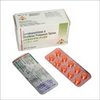
Diclofenac (Diclofast)
(Active Ingredient: Diclofenac)
Diclofenac is used to treat pain or inflammation caused by arthritis or ankylosing spondylitis.
Other names for this medication:
Abitren, Aclonac, Actinoma, Actisuny, Adefuronic, Afenac, Ainezyl, Aldoron, Alefen, Alflam, Algefit-gel, Algicler, Algifen, Algioxib, Algosenac, Allvoran, Almiral, Amofen, Analpan, Anavan, Anfenac, Anodyne, Anthraxiton, Apiclof, Aproxol, Araclof, Areston, Arthrex, Arthrotec, Artren, Artridene, Artrifenac, Artrites, Artrofenac, Aspizone, Assaren, Astefin, Atranac, Autdol, Banoclus, Batafil, Befol, Begita, Beonac, Berifen, Betafil, Betaren, Biclopan, Biofenac, Blesin, Bolabomin, C-fenac, Caflaamtil, Calmoflex, Cambia, Campal, Catafast, Cataflam, Catanac, Clafen, Clofast, Clofec, Clofenac, Clofenal, Clofenil, Clonac, Cofac, Combaren, Cordralan, Cordralan r, Cotilam, Coyenpin, Curinflam, D-fenac, Daispas, Dealgic, Decafen, Declophen, Dedlor, Dedolor, Defanac, Deflagesic, Deflam, Deflamat, Deflox, Delimon, Denaclof, Dencorub, Di retard, Diaflam, Diagesic, Diastone, Dichronic, Dichrophenon, Diclabeta, Diclac, Diclac dolo, Diclac lipogel, Diclachexal, Diclachexal retard, Diclanex, Diclax, Diclo, Diclo al akut, Diclo duo, Diclo k, Diclo-k, Dicloabak, Diclobene, Diclobene rapid, Dicloberl, Diclobion, Diclobru, Dicloced, Diclocular, Diclod, Diclodan, Dicloduo, Diclof, Diclofan, Diclofar, Diclofast, Diclofen, Diclofenaco, Diclofenacum, Diclofenbeta, Dicloflam, Dicloflame, Dicloflex, Diclofrot gel, Dicloftal, Dicloftil, Diclogen, Diclogrand, Diclogyn, Diclohem-p, Diclohexal, Diclojet, Diclokalium, Diclomar, Diclomax, Diclomek, Diclomel, Diclomelan, Diclomol, Diclon, Diclon rapid, Diclonac, Diclonat, Diclonatrium, Diclonex, Diclopal, Diclophlogont, Dicloplast, Diclora, Dicloral, Dicloran, Diclorapid, Diclorarpe, Dicloratio, Diclorengel, Dicloreum, Diclorex, Diclosal, Diclosan, Diclosin, Diclostad, Diclostan, Diclostar, Diclosyl, Diclotab, Diclotal, Diclotard, Diclotaren, Diclotears, Diclovat, Diclovit, Diclowal, Diclox, Dicloziaja, Dicogel, Difadol, Difen, Difen-stulln, Difenac, Difenak, Difenax, Difend, Difene, Difenet, Diflam, Diflex, Difnac, Difnal, Difnan, Dignofenac, Diklason, Diklofen, Diklofenak, Dikloferol, Diklonat p, Dikloron, Dikmed, Diky, Dinac, Dinaclord, Dinopen, Dioxaflex, Dioxaflex gel, Diralon, Dirret, Disflam, Disipan, Dival, Divido, Divoltar, Divon, Dix-tr, Dnaren, Docdiclofe, Docell, Doflex, Dolaren, Dolaut, Dolflam, Dolmina, Dolo jet, Dolo liviolex, Dolo tomanil, Dolocordralan, Dolocort, Dolofarmalan, Dolofenac, Doloneitor, Dolorex, Dolostrip, Dolotren, Dolpasse, Dolvan, Dorcalor, Doriflan, Doroxan, Doxtran, Dropflam, Dyclo, Dycon, Dyloject, Dyna-pentoxifylline, Dynak, Ecofenac, Edase-d, Edifenac, Eeze, Eezeneo, Effekton, Effigel, Eflagen, Elithris, Elitiran, Elitiran-gp, Emifenac, Emov, Epifenac, Erdon, Erdon gel, Evinopon, Exaflam, Exflam, Eyeclof, Felogel, Feloran, Fenac, Fenacidon, Fenacop retard, Fenactol, Fenadol, Fenaflam, Fenalgic, Fenaren, Fenavel, Fender, Fengel, Fenil-v, Fenisole, Fenisun, Fenoclof, Fensaide, Fenytaren, Fervex, Ficlon, Fisiodol, Flam-x, Flamar, Flamatak, Flameril, Flamquit, Flamydol, Flamygel, Flector, Flefarmin, Flexen, Flexin, Flexiplen, Flicon, Flogam, Flogaren, Flogofenac, Flogolisin, Flogozan, Flotac, Flugofenac, Fluxpiren, Fortedol, Fortenac, Fortfen, Fustaren, Galedol, Genac, Grofenac, Hifenac, Hipo sport, I-gesic, Iglodine, Imanol, Imflac, Inac, Infla-ban, Inflaforte, Inflamac, Inflamac rapid, Inflanac, Inflaren k, Inflased, Instantin, Intafenac, Intafenac-k, Irinatolon, Itami, Joflam, Jonac, Jonac gel, Jutafenac, K-fenak, Kadiflam, Kaditic, Kaflam, Kaflan, Kalidren, Kamaflam, Katafenac, Kefentech, Klafenac, Klafenac-d, Klaxon, Klodic, Klofen-l, Klonafenac, Klotaren, Laflanac, Lertus, Lesflam, Levedad, Leviogel, Linac, Liroken, Locopain, Lonac, Lorbifenac, Luase, Lubri-k, Luparen, Lydofen, Mafena, Majamil, Masaren, Matsunaflam, Maxilerg, Maxit, Meclophen, Medifen, Megafen, Merflam, Mericut, Merpal, Merxil, Metaflex, Miyadren, Mobifen, Mobigel, Modifenac, Monoflam, Motifene, Myogit, Naboal, Nac, Naclof, Nadifen, Naklofen, Nalgiflex, Nasida, Natrija diklofenaks, Natrijev diklofenak, Natura fenac, Nediclon, Neo-dolaren, Neo-pyrazon, Neodol, Neodolpasse, Neofenac, Neriodin, Neurofenac, Nichoflam, Nilaren, Norfenac, Nortid, Novapirina, Novarin, Noxiflex, Ocubrax, Oftic, Oftulix, Optifenac, Optobet, Orfenac, Orgafen, Ortofen, Ortofena, Ortofeno gelis, Painex, Painex gele, Panamor, Parafortan, Pennsaid, Pinanac, Pirexyl, Polyflam, Prekursan, Primofenac, Pritaren, Pro lertus, Profenac, Proflam, Proladin, Prolertus, Prophenatin, Provoltar, Pudaren, Putaren, Quer-out, Rapidus, Rapten, Rati salil d, Ratiogel, Reclofen, Rectos, Refen, Relaxyl, Relova, Remafen, Remethan, Renadinac, Renvol, Retilon, Reuflogin, Reutren, Rewodina, Rhemarene, Rheumafen, Rheumarene, Rheumatac, Rheumavek, Rhewlin, Rodinac, Rofenac, Romatim, Ronac-tr, Rumafen, Ruvominox, Safenac-tr, Salicrem, Sannax, Savismin sr, Scanaflam, Scantaren, Sifen, Silfox, Sipirac, Sofarin, Solaraze, Soludol, Solunac, Sorelmon, Stafulmin, Still, Subsyde, Supragesic, Surpass, Sylmes, Tabiflex, Taks, Tarfenac, Tekodin, Thicataren, Tirmaclo, Tobrafen, Tomanil, Topfans, Topflam, Tratul, Traumus, Tromagesic, Tromax, Turbogesic, Turbogesic lch, Uniclophen, Unifen, Uniren, Uno, Urigon, Valto, Veltex, Vendrex, Vesalion, Vetin, Viavox, Vifenac, Vimultisa, Virobron, Volcan, Volero, Volfenac, Volhasan, Volmatik, Volna-k, Volnac, Volpro, Volsaid, Voltadex, Voltadol, Voltadvance, Voltalin, Voltamicin, Voltapatch, Voltarenactigo, Voltarène, Voltarol, Voltatabs, Volten, Voltenac, Voltex, Voltfast, Voltic, Voltum, Vonafec, Vonfenac, Vostar, Vostar-r, Vostar-s, Votalin, Votaxil, Votrex, Vurdon, Weren, X-flam, Xedenol, Xedol, Xelaran, Xenid, Xepathritis, Yariflam, Youfenac, Zegren, Zeroflog, Zipsor, Zolterol
Show all
-
INDICATIONS
Diclofenac is used primarily for the treatment of inflammation and pain caused by conditions such as rheumatoid arthritis, osteoarthritis, and ankylosing spondylitis. It is also effective in treating soft tissue inflammations due to tendinitis and bursitis, and treating dysmenorrhea (menstrual cramps). Diclofenac is an NSAID. NSAIDs treat the symptoms of pain and inflammation. They do not treat the disease that causes those symptoms.
Diclofenac comes as regular strength (50 mg) tablets and SR (slow release) 75/100 mg tablets.
INSTRUCTIONS
Use Diclofenac as directed by your doctor!
- Take Diclofenac by mouth. It may be taken with food if it upsets your stomach. Taking it with food may not lower the risk of stomach or bowel problems (eg, bleeding, ulcers). Talk with your doctor or pharmacist if you have persistent stomach upset.
- Take Diclofenac with a full glass of water (8 oz/240 mL) as directed by your doctor.
- If you miss a dose of Diclofenac, take it as soon as possible. If it is almost time for your next dose, skip the missed dose and go back to your regular dosing schedule. Do not take 2 doses at once.
Ask your health care provider any questions you may have about how to use Diclofenac.
STORAGE
Store Diclofenac at 77 degrees F (25 degrees C). Brief storage at temperatures between 59 and 86 degrees F (15 and 30 degrees C) is permitted. Store away from heat, moisture, and light. Do not store in the bathroom. Keep Diclofenac out of the reach of children and away from pets.
-
Do NOT use Diclofenac if:
- you are allergic to any ingredient in Diclofenac or to bovine (cow) protein
- you have had a severe allergic reaction (eg, severe rash, hives, trouble breathing, growths in the nose, dizziness) to aspirin or an NSAID (eg, ibuprofen, celecoxib)
- you have recently had or will be having bypass heart surgery
- you have severe kidney problems
- you are in the last 3 months of pregnancy.
Contact your doctor or health care provider right away if this applies to you.
Some medical conditions may interact with Diclofenac. Tell your doctor or pharmacist if you have any medical conditions, especially if any of the following apply to you:
- if you are pregnant, planning to become pregnant, or are breast-feeding
- if you are taking any prescription or nonprescription medicine, herbal preparation, or dietary supplement
- if you have allergies to medicines, foods, or other substances
- if you have a history of kidney or liver problems, diabetes, or stomach or bowel problems (eg, bleeding, perforation, ulcers)
- if you have a history of swelling or fluid buildup, asthma, growths in the nose (nasal polyps), or mouth inflammation
- if you have high blood pressure, blood disorders (eg, porphyria), bleeding or clotting problems, heart problems (eg, heart failure), or blood vessel disease, or if you are at risk for any of these diseases
- if you have poor health, dehydration or low fluid volume, or low blood sodium levels, you smoke, drink alcohol, or have a history of alcohol abuse
- if you are taking an antibiotic or an anti-seizure medicine. The risk of liver problems may be increased with some of these medicines.
Some medicines may interact with Diclofenac. Tell your health care provider if you are taking any other medicines, especially any of the following:
- Anticoagulants (eg, warfarin), aspirin, clopidogrel, corticosteroids (eg, prednisone), heparin and other blood thinners (eg, dalteparin), or selective serotonin reuptake inhibitors (SSRIs) (eg, fluoxetine) because the risk of stomach bleeding may be increased
- Acetaminophen because the risk of liver problems may be increased
- Probenecid because it may increase the risk of Diclofenac’s side effects
- Cyclosporine, lithium, metformin, methotrexate, oral NSAIDs (eg, ibuprofen), or quinolones (eg, ciprofloxacin) because the risk of their side effects may be increased by Diclofenac
- Angiotensin-converting enzyme (ACE) inhibitors (eg, enalapril) or diuretics (eg, furosemide, hydrochlorothiazide) because their effectiveness may be decreased by Diclofenac.
This may not be a complete list of all interactions that may occur. Ask your health care provider if Diclofenac may interact with other medicines that you take. Check with your health care provider before you start, stop, or change the dose of any medicine.
Important safety information:
- Diclofenac may cause dizziness or drowsiness. These effects may be worse if you take it with alcohol or certain medicines. Use Diclofenac with caution. Do not drive or perform other possible unsafe tasks until you know how you react to it.
- Serious stomach ulcers or bleeding can occur with the use of Diclofenac. Taking it in high doses, for a long time, smoking, or drinking alcohol increases the risk of these side effects. Taking Diclofenac with food will NOT reduce the risk of these effects. If you have severe stomach or back pain; black, tarry stools; vomit that looks like blood or coffee grounds; or unusual weight gain or swelling, contact your doctor or emergency room right away.
- Do NOT take more than the recommended dose or use for longer than prescribed without checking with your doctor.
- Diclofenac is an NSAID. Before you start any new medicine, check the label to see if it has an NSAID (eg, ibuprofen) in it too. If it does or if you are not sure, check with your doctor or pharmacist.
- Do not take aspirin while you are using Diclofenac unless your doctor tells you to.
- Check with your doctor or pharmacist before you take acetaminophen while you are taking Diclofenac. The risk of liver problems may be increased.
- Do not switch between different forms of Diclofenac (eg, enteric-coated tablets, immediate-release tablets, capsules) unless your doctor tells you to. They may not provide the same amount of medicine to your body.
- Lab tests, including kidney function, liver function, blood electrolyte levels, complete blood cell counts, and blood pressure, may be performed while you use Diclofenac. These tests may be used to monitor your condition or check for side effects. Be sure to keep all doctor and lab appointments.
- Use Diclofenac with caution in the elderly; they may be more sensitive to its effects, especially stomach bleeding and kidney problems.
- Diclofenac should be used with extreme caution in children; safety and effectiveness in children have not been confirmed.
- Pregnancy and breast-feeding: Diclofenac may cause harm to the fetus. Do not use it during the last 3 months of pregnancy. If you think you may be pregnant, contact your doctor. You will need to discuss the benefits and risks of using Diclofenac while you are pregnant. It is not known if Diclofenac is found in breast milk. Do not breastfeed while taking Diclofenac.
-
All medicines may cause side effects, but many people have no, or minor, side effects.
Check with your doctor if any of these most common side effects persist or become bothersome:
Constipation; diarrhea; dizziness; drowsiness; headache; mild stomach pain or heartburn; nausea; vomiting.
Seek medical attention right away if any of these severe side effects occur:
Severe allergic reactions (rash; hives; itching; trouble breathing; tightness in the chest; swelling of the mouth, face, lips, or tongue); bloody or black, tarry stools; change in the amount of urine produced; chest pain; confusion; depression; fainting; fast or irregular heartbeat; fever, chills, or persistent sore throat; mental or mood changes; numbness of an arm or leg; one-sided weakness; persistent flu-like symptoms; red, swollen, blistered, or peeling skin; ringing in the ears; seizures; severe headache or dizziness; severe or persistent stomach pain or nausea; severe vomiting or diarrhea; shortness of breath; sudden or unexplained weight gain; swelling of the hands, legs, or feet; symptoms of liver problems (eg, dark urine, pale stools, persistent loss of appetite, yellowing of the skin or eyes); unusual bruising or bleeding; unusual joint or muscle pain; unusual tiredness or weakness; vision or speech changes; vomit that looks like coffee grounds.
This is not a complete list of all side effects that may occur. If you have questions about side effects, contact your health care provider.