
📜 Инструкция по применению АНЕСТОФОЛ® 1% И 5%
💊 Состав препарата АНЕСТОФОЛ® 1% И 5%
✅ Применение препарата АНЕСТОФОЛ® 1% И 5%
📅 Условия хранения АНЕСТОФОЛ® 1% И 5%
⏳ Срок годности АНЕСТОФОЛ® 1% И 5%
Описание лекарственного препарата ветеринарного назначения АНЕСТОФОЛ® 1% И 5%
Основано на данных Государственного реестра лекарственных средств для ветеринарного применения и сделано в 2018 году
Дата обновления: 2018.04.02
Лекарственная форма
|
|
АНЕСТОФОЛ® 1% И 5% |
Раствор для инъекций 10 мг, 50 мг/ 1 мг, 50 мг рег. 32-3-25.13-2791№ПВР-3-25.13/02954 |
Форма выпуска, состав и упаковка
Международное непатентованное или химическое наименование:
пропофол, лидокаин
Держатель регистрационного удостоверения:
ООО «ВИК-здоровье животных», 140051, Российская Федерация, Московская обл., Люберецкий район, п. Красково, Егорьевское ш., д. 3А
Разработчик:
ООО «ВИК-здоровье животных», 140051, Российская Федерация, Московская обл., Люберецкий район, п. Красково, Егорьевское ш., д. 3А
Производитель:
ИУП «ВИК — здоровье животных», Республика Беларусь, 210040, г. Витебск, ул. 1-я Журжевская, д. 29
Лекарственная форма:
раствор для инъекций
Качественный состав и количественный состав действующих веществ и качественный состав вспомогательных веществ:
пропофол, дидокаина гидрохлорид; токоферола ацетат, L-аргинин, натрия метабисульфит, макрогол 15 гидрокистеарат, трилон Б, бензиловый спирт, вода для инъекций
Дозировка:
10 мг, 50 мг/ 1 мг, 50 мг
Показания к применению препарата АНЕСТОФОЛ® 1% И 5%
Для общей анестезии животных.
Побочные эффекты
Возбуждение, рвота, кратковременное апноэ, падение кровяного давления.
Противопоказания к применению препарата АНЕСТОФОЛ® 1% И 5%
Противопоказан для наркоза беременным собакам, когда планируется сохранить приплод, однако возможно применение препарата для вводной анестезии при кесаревом сечении.
Условия хранения АНЕСТОФОЛ® 1% И 5%
В сухом, защищенном от света месте, отдельно от продуктов питания и кормов, при температуре от 10°С до 25°С
АНЕСТОФОЛ® 1% И 5% отзывы
Помогите другим с выбором, оставьте отзыв об АНЕСТОФОЛ® 1% И 5%
Оставить отзыв
Если вы хотите разместить ссылку на описание этого препарата — используйте данный код
 Company: Covetrus North America
Anesthetic Injection
NDC: 11695-2801-1
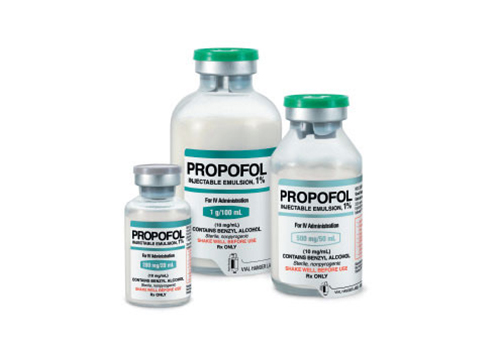
Each mL contains 10 mg propofol
Approved by FDA under NADA # 141-070
FOR USE IN ANIMALS ONLY
Emulsion for intravenous use in dogs and cats
Propofol injectable emulsion Caution
Federal law restricts this drug to use by or on the order of a licensed veterinarian.
Description
Propofol injectable emulsion injection is a sterile, nonpyrogenic emulsion containing 10 mg/mL of propofol suitable for intravenous administration. Propofol is chemically described as 2,6-diisopropylphenol and has a molecular weight of 178.28. Propofol is very slightly soluble in water and is therefore formulated as a white, oil-in-water emulsion. Each mL contains propofol (10 mg), soybean oil (100 mg), glycerol (22.5 mg), egg yolk phospholipid (12 mg) and sodium metabisulfite (0.25 mg), with sodium hydroxide to adjust the pH. The propofol emulsion is isotonic and has a pH of 4.5-6.6.
Propofol injectable emulsion Indications
Propofol injectable emulsion is an anesthetic injection for use in dogs and cats as follows:
1. As a single injection to provide general anesthesia for short procedures.
2. For induction and maintenance of general anesthesia using incremental doses to effect.
3. For induction of general anesthesia where maintenance is provided by inhalant anesthetics.
Induction of general anesthesia will usually be observed within 30 to 60 seconds after the end of administration (administration should take 60 to 90 seconds). The doses for induction and maintenance vary depending upon species and preanesthetics. The duration of anesthesia varies depending upon species, dose, and preanesthetics.
In dogs, the duration of anesthesia following the recommended induction dose (5.5 to 7.0 mg/kg without premedication) is generally 5 to 7 minutes. The duration of anesthesia after maintenance doses varies from 2 to 6 minutes following 1.1 mg/kg to 6 to 10 minutes following 3.3 mg/kg. Full standing recovery is generally observed within 10 to 20 minutes after the end of anesthesia, regardless of the duration of anesthesia. Recovery may be delayed in sighthounds or if preanesthetics are administered.
In cats, the duration of anesthesia following the recommended induction dose (8.0 to 13.2 mg/kg without premedication) is generally 5 to 12 minutes. The duration of anesthesia after maintenance doses varies from 5 to 7 minutes following 1.1 mg/kg to 12 to 18 minutes following 4.4 mg/kg. Full standing recovery is generally observed within 30 to 45 minutes after the end of anesthesia, regardless of the duration of anesthesia. Recovery may be delayed if preanesthetics are administered.
Dosage and Administration
Shake the vial thoroughly before opening. Propofol injectable emulsion injection contains no antimicrobial preservatives. Strict aseptic techniques must always be maintained during handling since the vehicle is capable of supporting rapid growth of microorganisms.
Failure to follow aseptic handling procedures may result in microbial contamination causing fever, infection/sepsis, and/or other life-threatening illness. Do not use if contamination is suspected.
Propofol injectable emulsion injection should be prepared for use just prior to initiation of each individual anesthetic procedure. The vial rubber stopper should be disinfected using 70% isopropyl alcohol. The entire contents of the vial should be drawn into sterile syringes immediately after vials are opened. Administration should commence promptly and be completed within 6 hours after the vials are opened. Any unused product should be discarded within 6 hours. Administer by intravenous injection only.
The emulsion should not be mixed with other therapeutic agents or injected into containers of infusion fluids prior to administration.
INDUCTION OF GENERAL ANESTHESIA:
For induction, propofol injectable emulsion injection should be titrated against the response of the patient over approximately 60 to 90 seconds or until clinical signs show the onset of anesthesia.
If propofol injectable emulsion injection is injected too slowly (greater than 90 seconds), an inadequate plane of anesthesia can occur. If this occurs, an additional low dose (1.1 mg/kg) of propofol may be administered to facilitate intubation or the transition to inhalant maintenance anesthesia.
The average induction dose ranges and dosage rates for healthy dogs given propofol alone, or when propofol is preceded by a premedicant, are indicated in the following table (the Table is for guidance only; in practice, the dose should be based upon patient response):
|
Induction Dosage Guidelines for Dogs |
|||||
|
Preanesthetic |
Propofol Induction Dose |
Propofol Rate of Administration |
|||
|
mg/kg |
mg/lb |
Seconds |
mg/kg/min |
mL/kg/min |
|
|
None |
5.5-7.0 |
2.5-3.2 |
60-90 |
3.7-7.0 |
0.37-0.70 |
|
Acepromazine |
4.0-4.4 |
1.8-2.0 |
60-90 |
2.7-4.4 |
0.27-0.44 |
|
Xylazine |
2.2-3.3 |
1.0-1.5 |
60-90 |
1.5-3.3 |
0.15-0.33 |
|
Oxymorphone |
2.2-3.3 |
1.0-1.5 |
60-90 |
1.5-3.3 |
0.15-0.33 |
|
Medetomidine |
2.2-2.8 |
1.0-1.3 |
60-90 |
1.5-2.8 |
0.15-0.28 |
The required dose of tranquilizers, sedatives, or analgesics administered as preanesthetic medications (listed below) may be lower than the label directions for their use as a single medication1.
|
Acepromazine |
0.03-0.1 |
mg/kg |
IM, SC, IV |
|
Xylazine |
0.25-0.5 |
mg/kg |
IV |
|
Xylazine |
0.5-1.0 |
mg/kg |
IM, SC |
|
Oxymorphone |
0.1-0.2 |
mg/kg |
IM, SC, IV |
|
Medetomidine |
5.0-10.0 |
µg/kg |
IM |
The use of the drugs listed above as preanesthetics for dogs markedly reduces propofol requirements. As with other sedative hypnotic agents, the amount of phenothiazine, opioid, and/or alpha2-agonist premedication will influence the response of the patient to an induction dose of Propofol injectable emulsion injection. The induction dose will also be influenced by the interval between the administration of premedication and induction, and by the rate of administration of propofol.
The average induction dose ranges and dosage rates for healthy cats given propofol alone, or when propofol is preceded by a premedicant, are indicated in the following table (the Table is for guidance only; in practice, the dose should be based upon patient response):
|
Induction Dosage Guidelines for Cats |
|||||
|
Preanesthetic |
Propofol Induction Dose |
Propofol Rate of Administration |
|||
|
mg/kg |
mg/lb |
Seconds |
mg/kg/min |
mL/kg/min |
|
|
None |
8.0-13.2 |
3.6-6.0 |
60-90 |
5.3-13.2 |
0.53-1.32 |
|
Acepromazine |
8.0-13.2 |
3.6-6.0 |
60-90 |
5.3-13.2 |
0.53-1.32 |
|
Butorphanol |
8.0-13.2 |
3.6-6.0 |
60-90 |
5.3-13.2 |
0.53-1.32 |
|
Oxymorphone |
8.0-13.2 |
3.6-6.0 |
60-90 |
5.3-13.2 |
0.53-1.32 |
|
Xylazine |
7.0-12.0 |
3.2-5.5 |
60-90 |
4.7-12.0 |
0.47-1.20 |
The required dosage of tranquilizers, sedatives, or analgesics administered as preanesthetic medications (listed below) may be lower than the label directions for their use as a single medication1,8,9.
|
Acepromazine |
0.03-0.1 |
mg/kg |
IM, SC, IV |
|
Butorphanol |
0.1-0.4 |
mg/kg |
IM, SC |
|
Oxymorphone |
0.1-0.4 |
mg/kg |
IM, SC, IV |
|
Xylazine |
0.25-0.5 |
mg/kg |
IV |
|
Xylazine |
0.5-1.0 |
mg/kg |
IM, SC |
The use of the drugs listed above as preanesthetics for cats may reduce propofol requirements. As with other sedative hypnotic agents, the amount of phenothiazine, opioid and/or alpha2-agonist premedication will influence the response of the patient to an induction dose of propofol injectable emulsion injection. The induction dose will also be influenced by the interval between the administration of premedication and induction, and by the rate of administration of propofol.
Maintenance Of General Anesthesia
A. Intermittent Propofol Injections: Anesthesia can be maintained by administering propofol in intermittent IV injections. Clinical response will be determined by the amount, the rate of administration, and the frequency of maintenance injections. The following Tables are provided for guidance:
|
Maintenance Dosage Guidelines for Dogs |
|||||
|
Preanesthetic |
Propofol Maintenance Dose |
Propofol Rate of Administration |
|||
|
mg/kg |
mg/lb |
Seconds |
mg/kg/min |
mL/kg/min |
|
|
None |
1.1-3.3 |
0.5-1.5 |
30-60 |
1.1-3.3 |
0.11-0.33 |
|
Acepromazine |
1.1 |
0.5 |
30-60 |
1.1-2.2 |
0.11-0.22 |
|
Xylazine |
1.1 |
0.5 |
30-60 |
1.1-2.2 |
0.11-0.22 |
|
Oxymorphone |
1.1 |
0.5 |
30-60 |
1.1-2.2 |
0.11-0.22 |
|
Medetomidine |
1.1 |
0.5 |
30-60 |
1.1-2.2 |
0.11-0.22 |
Repeated maintenance doses of propofol do not result in increased recovery times, indicating that the anesthetic effects of propofol are not cumulative in dogs.
|
Maintenance Dosage Guidelines for Cats |
|||||
|
Preanesthetic |
Propofol Maintenance Dose |
Propofol Rate of Administration |
|||
|
mg/kg |
mg/lb |
Seconds |
mg/kg/min |
mL/kg/min |
|
|
None |
1.1-4.4 |
0.5-2.0 |
30-60 |
1.1-4.4 |
0.11-0.44 |
|
Acepromazine |
1.1-4.4 |
0.5-2.0 |
30-60 |
1.1-4.4 |
0.11-0.44 |
|
Butorphanol |
1.1-4.4 |
0.5-2.0 |
30-60 |
1.1-4.4 |
0.11-0.44 |
|
Oxymorphone |
1.1-4.4 |
0.5-2.0 |
30-60 |
1.1-4.4 |
0.11-0.44 |
|
Xylazine |
1.1-2.2 |
0.5-1.0 |
30-60 |
1.1-2.2 |
0.11-0.22 |
|
Acepromazine/Butorphanol |
1.1-3.3 |
0.5-1.5 |
30-60 |
1.1-3.3 |
0.11-0.33 |
|
Acepromazine/Oxymorphone |
1.1-3.3 |
0.5-1.5 |
30-60 |
1.1-3.3 |
0.11-0.33 |
Repeated maintenance doses of propofol may result in slightly increased recovery times, indicating that the anesthetic effects of propofol may be cumulative in cats.
B. Maintenance by Inhalant Anesthetics: Clinical trials using propofol have shown that it may be necessary to use a higher initial concentration of the inhalant anesthetic than is usually required following induction using barbiturate anesthetics, due to rapid recovery from propofol injectable emulsion injection.
Overdosage
Rapid administration or accidental overdosage of propofol injectable emulsion injection may cause neurologic and cardiopulmonary depression. Respiratory arrest (apnea) may be observed. In cases of respiratory depression, stop drug administration, establish a patent airway, and initiate assisted or controlled ventilation with oxygen. Cardiovascular depression should be treated with plasma expanders, pressor agents, antiarrhythmic agents or other techniques as appropriate for the observed abnormality.
In feline safety studies using healthy cats and elevated doses of propofol, unexplained decreases in albumin, globulin, and total protein values were noted. Increases in bile acids and triglycerides were also noted and were probably due to the lipid content of the drug formulation. These transient changes were not clinically significant in healthy cats.
Contraindications
Propofol injectable emulsion injection is contraindicated in dogs and cats with a known hypersensitivity to propofol or its components, or when general anesthesia or sedation are contraindicated.
Warnings
Induction of anesthesia with propofol injectable emulsion injection is frequently associated with apnea and respiratory depression. Hypotension and oxygen desaturation can occur also, especially following rapid bolus administration. Apnea is observed less frequently following maintenance doses of propofol injectable emulsion injection when given as the sole maintenance agent, or when a maintenance dose is administered during inhalant anesthesia.
When using propofol injectable emulsion injection, patients should be continuously monitored and facilities for the maintenance of a patent airway, artificial ventilation, and oxygen supplementation must be immediately available. The clinical use of propofol without available supplemental oxygen and artificial ventilation has not been adequately evaluated and is not recommended.
Precautions
1. Propofol injectable emulsion injection contains no antimicrobial preservatives. Strict aseptic techniques must always be maintained during handling since the vehicle is capable of supporting rapid growth of microorganisms. Failure to follow aseptic handling procedures may result in microbial contamination causing fever, infection/sepsis, and/or life-threatening illness. Do not use if contamination is suspected.
2. When using propofol injectable emulsion injection, patients should be continuously monitored, and facilities for the maintenance of a patent airway, artificial ventilation, and oxygen supplementation must be immediately available. The clinical use of propofol without available supplemental oxygen and artificial ventilation has not been adequately evaluated and is not recommended.
3. Anesthesia effects: Careful monitoring of the patient is necessary when using propofol injectable emulsion injection as a maintenance anesthetic due to the possibility of rapid arousal. Apnea may occur following maintenance doses of propofol injectable emulsion injection.
Following induction, additional propofol injectable emulsion injection at the lower maintenance dose may be needed to complete the transition to inhalant maintenance anesthesia due to rapid recovery from propofol. Doses administered during the transition to inhalant anesthesia or during inhalant maintenance anesthesia may result in apnea.
4. Physiological effects: During induction of anesthesia, mild hypotension and increased heart rate may occur when propofol injectable emulsion injection is used alone.
5. Premedicants: Premedicants may increase the anesthetic or sedative effect of propofol injectable emulsion injection and result in more pronounced changes in systolic, diastolic and mean arterial blood pressures. The use of ketamine (an approved compound for restraint in cats) is not recommended as a preanesthetic prior to propofol due to an increased number of patients experiencing apnea.
6. Breeding animals: Adequate data concerning the safe use of propofol injectable emulsion injection in pregnant, lactating, and breeding dogs and cats have not been obtained. Propofol crosses the placenta, and as with other general anesthetic agents, the administration of propofol may be associated with neonatal depression.
7. Puppies and Kittens: The use of propofol has not been evaluated in puppies or kittens.
8. Compromised or debilitated dogs and cats: Doses may need adjustment for geriatric or debilitated patients. The administration of propofol injectable emulsion injection to patients with renal failure and/or hepatic failure has not been evaluated. As with other anesthetic agents, caution should be exercised in dogs or cats with cardiac, respiratory, renal or hepatic impairment, or in hypovolemic or debilitated dogs and cats.
9. Sighthounds: Propofol injectable emulsion injection induction followed by inhalant anesthetic agents produced satisfactory anesthesia and recovery times in sighthounds. Propofol alone in 6 greyhounds and 7 non-greyhounds showed satisfactory, but longer recovery times in the greyhounds (averages of 47 and 18 minutes, respectively).2 In a propofol pharmacokinetics study, greyhounds had higher propofol levels in plasma, a lower volume of distribution, slower total body clearance rates, and longer recovery times than did mixed-breed dogs. The elimination half-life was similar in both groups.3
10. Arrhythmogenicity: In one study in dogs, propofol increased myocardial sensitivity to the development of epinephrine-induced ventricular arrhythmias in a manner similar to other anesthetics.4
11. Consecutive day treatment: Heinz bodies increased dramatically in cats following repeat administration of propofol on consecutive days and were associated with decreases in RBC count and hematocrit. Large numbers of Heinz bodies can lead to hemolytic anemia.5,6 In one study in cats, treatment with propofol once a day for 3 days led to a marked increase in Heinz bodies. Treatment for 5 or more consecutive days resulted in generalized malaise and/or facial edema; clinical signs of illness resolved within 24 to 48 hours after cessation of propofol.
12. Concurrent medication: No significant adverse interactions with commonly used drugs have been observed.
13. Perivascular administration: Perivascular administration does not produce local tissue reaction.
Human User Safety
Not for human use. Keep out of reach of children.
Propofol injectable emulsion injection should be managed to prevent the risk of diversion, through such measures as restriction of access and the use of drug accountability procedures appropriate to the clinical setting. Rare cases of self-administration of propofol have been reported, including dose-related fatalities.
Preventive care should be taken to avoid self-administration; for example, use of a guarded needle until the moment of injection is recommended. Symptoms of self-administration may include cardiovascular and/or respiratory depression. Anaphylaxis to propofol may occur during its first use, especially in patients with a history of drug allergy.7 In the event of accidental self-administration, seek medical attention immediately.
Contact of this product with skin, eyes, and clothes should be avoided. If contact occurs, skin and eyes should be liberally flushed with water for 15 minutes. If irritation develops and continues, consult a physician.
Initial arousal following propofol anesthesia can be extremely rapid. Caution should be used at this time in manipulations involving the mouth, such as removing an endotracheal tube.
Adverse Reactions
The primary side effect of propofol injectable emulsion injection is respiratory depression and apnea. Apnea was observed in 20% of the dog cases in the clinical trial. Apnea was observed in 1.4% of the cat cases in the clinical trial. All apnea cases responded satisfactorily to oxygen supplementation and/or controlled ventilation.
Apnea lasting less than 1 minute in healthy dogs or cats may cause no harm. Animals breathing atmospheric air that become apneic may show signs of cerebral damage after 2 minutes. Animals breathing 100% oxygen that become apneic may not show signs of cerebral damage for 5 to 8 minutes.
Ventricular arrhythmias may occur secondary to hypoxia induced by apnea.
The primary side effect of propofol injectable emulsion injection in cats is paddling during recovery. Paddling was observed in 11% of the cat cases in the clinical trial.
Other transient side effects in dogs or cats are observed infrequently or rarely:
— Respiratory: panting, reverse sneezing, cyanosis
— Musculoskeletal: paddling during recovery, tremors, tenseness, movements, fasciculations
— Cardiovascular: bradycardia, hypotension, cyanosis, tachycardia, premature ventricular contractions
— Central Nervous System: excitation, opisthotonus, seizure
— Injection Site: pain during injection
— Gastrointestinal: emesis/retching
— Other: rubbing at face or nose during recovery, vocalization during recovery, chewing or licking the injection site during recovery.
Clinical Pharmacology
After a single dose, propofol blood level profiles are characterized by a rapid distribution phase and a rapid elimination phase. The liver is the main site of metabolism with the major portion of metabolites being excreted in urine. No change in pharmacokinetics occurs after multiple daily dosing in dogs. Concomitant medication may affect the pharmacokinetics of either propofol or other medications.
In dogs, propofol injectable emulsion injection has been used in association with acepromazine, atropine, glycopyrrolate, halothane, isoflurane, medetomidine, oxymorphone, and xylazine. No pharmacological incompatibility has been encountered.
In cats, propofol injectable emulsion injection has been used in association with acepromazine, atropine, glycopyrrolate, butorphanol, oxymorphone, xylazine, and halothane. No pharmacological incompatibility has been encountered.
To report suspected adverse drug events, call 1-888-724-3461.
To obtain a copy of the Safety Data Sheet (SDS) or for technical assistance, go to covetrus.com.
For additional information about adverse drug experience reporting for animal drugs, Contact FDA at 1-888-FDA-VETS or online at http://www.fda.gov/AnimalVeterinarySafetyHealth.
Storage
Store between 4 — 25°C (40-77°F). Do not freeze.
Shake well before use. Discard opened vial with care. Within 6 hours after opening, any withdrawn unused product should be discarded safely.
How Supplied
Propofol injectable emulsion injection is supplied in cartons of five-20 mL vials containing 10 mg propofol per mL.
References
1. Thurman JC, Tranquilli WJ, Benson GJ, eds. Preanesthetics and anesthetic adjuncts. In: Lumb and Jones’ Veterinary Anesthesiology. 3rd ed; 1996: chap8.
2. Robertson SA, Johnston S, Beemsterboer J. Cardiopulmonary, anesthetic and postanesthetic effects of intravenous infusions of propofol in greyhounds and non-greyhounds. Am J Vet Res 53:1027-1032: 1992.
3. Zoran DL, Riedesel DH, Dyer DC. Pharmacokinetics of propofol in mixed-breed dogs and greyhounds. Am J Vet Res 54:755-760: 1993.
4. Kamibayashi T, Hayashi Y, Sumikawa K, Yamatodani A, Kawabata K, Yoshiya I. Enhancement by propofol of epinephrine-induced arrhythmias in dogs. Anesthesiology 75:1035-1040: 1991.
5. Bush BM. Interpretation of laboratory results for small animal clinicians. Blackwell Science: 1996.
6. Andress JL, Day TK, Day DG. The effects of consecutive day propofol anesthesia on feline red blood cells. Veterinary Surgery 24:277-282:1995.
7. Laxenaire MC, Mata-Bermejo E, Moneret-Vautrin DA, Gueant JL. Life-threatening anaphylactoid reactions to propofol (DIPRIVAN®). Anesthesiology 77:275-280: 1992.
8. Plumb D. Veterinary Drug Handbook 2nd ed. pp. 455-458: 1995.
9. Branson, KR, Gross ME, Booth NH, Adams RH, ed. Veterinary Pharmacology and Therapeutics 7th ed., pp. 299-300: 1995.
62000075 — AW v.2
ref.: D300.045/G F.42
Made in Italy
Questions? (855) 724-3461
Distributed by: Covetrus North America, 400 Metro Place North, Dublin, OH 43017
covetrus.com
AH-Propofol-02
REV: 1019
|
Net contents: |
Reorder # |
|
|
5 X 20 mL |
059333 |
AH-059333-C-02 REV: 1019 |
CPN: 2050110.0
COVETRUS NORTH AMERICA, LLC
Covetrus North America
400 METRO PLACE NORTH, DUBLIN, OH, 43017
Copyright © 2023 Animalytix LLC. Updated: 2023-11-27
Показания препарата Пропофол
Для вводного наркоза и для поддержания состояния общей анестезии. Для обеспечения седативного эффекта при ИВЛ.
Коды МКБ-10
Режим дозирования
Способ применения и режим дозирования конкретного препарата зависят от его формы выпуска и других факторов. Оптимальный режим дозирования определяет врач. Следует строго соблюдать соответствие используемой лекарственной формы конкретного препарата показаниям к применению и режиму дозирования.
Для вводного наркоза взрослым пациентам со средней массой тела вводят в/в по 40 мг каждые 10 сек до появления клинических признаков наркоза. В большинстве случаев суммарная доза составляет 2-2.5 мг/кг. Детям старше 8 лет вводят медленно в/в до появления клинических признаков анестезии. Дозу следует корректировать в соответствии с возрастом и/или массой тела; средняя доза составляет 2.5 мг/кг. Для детей младше 8 лет дозы препарата могут быть выше.
Для взрослых и детей старше 3 лет с 3 и 4 градациями по ASA пропофол следует вводить в меньших дозах.
Для поддержания наркоза при постоянной инфузии взрослым вводят 4-12 мг/кг/ч. Для детей скорость введения составляет 9-15 мг/кг/ч. Возможно также повторное введение в виде болюса в дозах, необходимых для поддержания адекватной анестезии.
С целью обеспечения седативного эффекта при искусственной вентиляции легких у взрослых пропофол вводят в дозе 300 мкг/кг/ч.
Побочное действие
При применении для вводного наркоза возможны артериальная гипотензия, брадикардия, кратковременное апноэ.
Редко: судороги, опистотонус, отек легких. В период пробуждения возможны головная боль, тошнота, рвота.
В отдельных случаях: послеоперационная лихорадка.
В единичных случаях: ангионевротический отек, бронхоспазм, эритема, сексуальное растормаживание; при дозах более 4 мг/кг/ч были зарегистрированы отдельные случаи развития рабдомиолиза.
Местные реакции: флебит, тромбоз.
Противопоказания к применению
Аллергические реакции на введение пропофола в анамнезе, детский возраст до 1 месяца, детский и подростковый возраст младше 16 лет (для обеспечения седативного эффекта при проведении ИВЛ).
Применение при беременности и кормлении грудью
Не следует применять в акушерской практике в качестве анестезирующего средства, т.к. пропофол проникает через плацентарный барьер и способен вызвать неонатальную депрессию. Возможно применение в качестве средства для общей анестезии во время прерывания беременности в I триместре.
Пропофол в небольших количествах выделяется с грудным молоком. Полагают, что это не опасно для ребенка, при условии, что мать не будет кормить ребенка грудным молоком в течение нескольких часов после введения пропофола.
Применение при нарушениях функции печени
С осторожностью пропофол применяют при заболеваниях печени.
Применение при нарушениях функции почек
С осторожностью пропофол применяют при заболеваниях почек.
Применение у детей
Противопоказан в детском возрасте до 1 месяца, детском и подростковом возрасте младше 16 лет (для обеспечения седативного эффекта при проведении ИВЛ).
Применение у пожилых пациентов
С осторожностью пропофол применяют у пожилых пациентов.
Особые указания
С осторожностью пропофол применяют при сопутствующих гиповолемии, эпилепсии, нарушениях липидного обмена, заболеваниях сердечно-сосудистой системы, органов дыхания, печени и почек, у пожилых пациентов. Для предупреждения брадикардии в комплекс для премедикации целесообразно включить м-холиноблокаторы.
Лекарственное взаимодействие
При одновременном применении пропофола с миорелаксантами, ингаляционными анестетиками, анальгетиками возможно усиление угнетающего действия на дыхание, снижение АД, что усиливает действие пропофола.
При одновременном применении пропофола и опиоидных анальгетиков повышается риск угнетения дыхания.
После введения фентанила уровень пропофола в плазме крови может временно повышаться.
Как давать Пропофол кошке?
Применяемая анестезия в ветеринарной хирургии может быть двух видов: ингаляционная и неингаляционная. Последняя находит своё широкое применение при оперативных вмешательствах любой сложности. Можно ли назначать Пропофол кошке в качестве анестетика?
Содержание
- Какое применение находит Пропофол в ветеринарии
- Какие особенности назначения Пропофола для кошек
- Лекарственные препараты с активным веществом Пропофол
- Побочные действия препарата
- Побочные действия Ветофола
- Золетил — препарат для неингаляционной анестезии
- Противопоказания Золетила при следующих заболеваниях:
- Какие особенности назначения Пропофола для кошек
Какое применение находит Пропофол в ветеринарии
Пропофол применяется в качестве гипнотического вещества.
Какие плюсы имеет лечение кошек Пропофолом:
- анестетик вводится только внутривенно;
- введение препарата быстро усыпляет животное;
- не влияет на сердечно — сосудистую систему;
- обеспечивает быстрый выход из наркоза.
© shutterstock
Давать Пропофол коту, как единственный анестетик, возможно только при непродолжительных вмешательствах. Например, чистке зубов животного, при осмотре полости рта и удалении чужеродных предметов из глотки.
При проведении длительных оперативных вмешательств, например, кастрации, Пропофол назначается в комбинации с различными анальгетиками.
Этот препарат не растворяется в воде, это белая маслянистая эмульсия.
Механизм воздействия не в обезболивании при оперативном вмешательстве, а в увеличении болевого порога. Он не накапливается в организме, соединяясь в крови с белками плазмы, распадается на составляющие в клетках печени и выводится через почки. Животное быстро просыпается после использования Пропофола.
Какие особенности назначения Пропофола для кошек
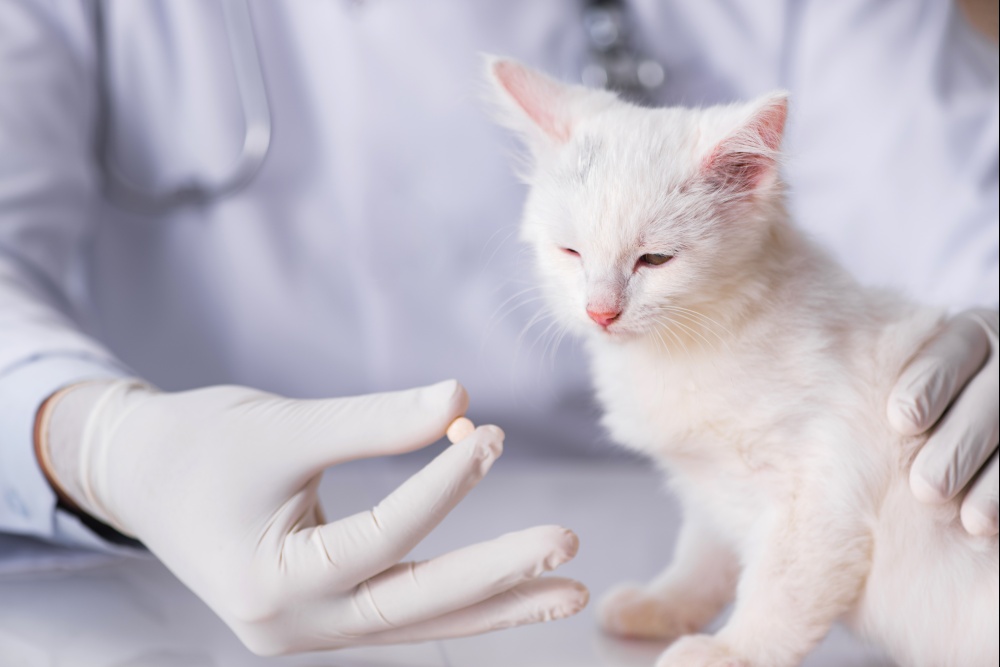
В отличие от других животных, у кошек некоторые стадии метаболизма замедлены, из-за этого происходит медленный распад лекарственных препаратов, и они дольше выводятся из организма кошки.
На практике это приводит к увеличению концентрации веществ и их токсичному воздействию на кошку.
Пропофол относится к фенольным соединениям. Для их распада и вывода необходимы глюкурониды, которых не хватает у кошки. Поэтому животное медленнее просыпается после введения препарата.
© shutterstock
Дозировка пропофола коту не должна превышать 6÷8 мк/ кг при режиме одного анестезирующего компонента; если применяется вместе с анальгетиками — 4÷6 мк/кг.
Операции при указанной дозировке проходят без нарушения дыхания у кошек.
Лекарственные препараты с активным веществом Пропофол
Анестофол – это лекарственный препарат, с активным веществом Пропофол. Из-за входящего в состав ледокоина, сводятся к минимуму болевые ощущения.
Пропофол обеспечивает быструю анестезию животного.
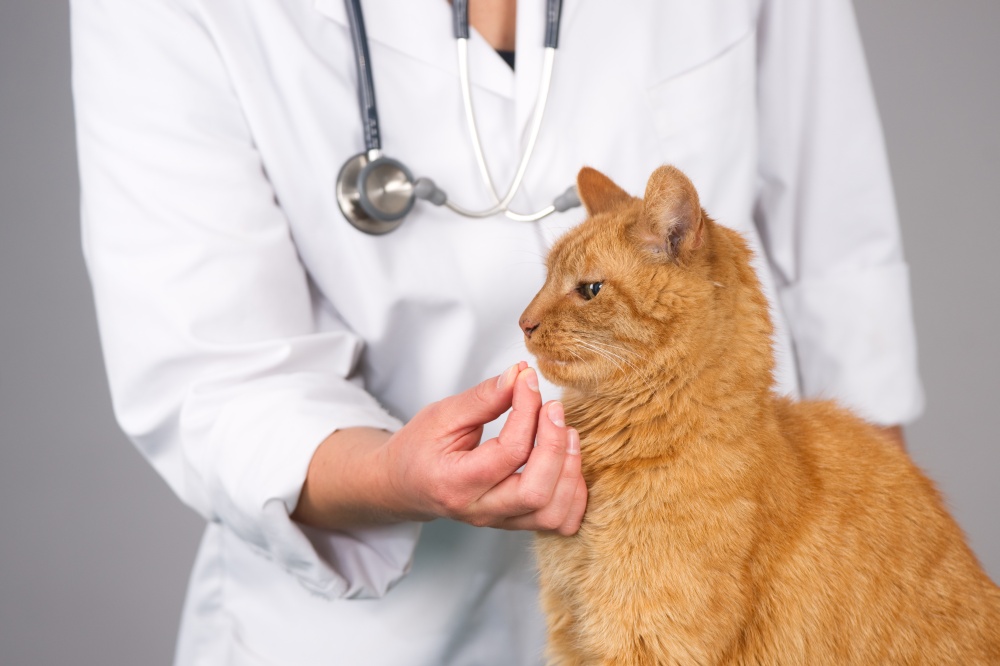
Назначают дозу Пропофола кошкам в зависимости от времени, необходимого для проведения процедуры обезболивания, и веса животного:
- если требуется кратковременное вмешательство – доза составляет 4 мк на 1 килограмм;
- для основных операций, доза составляет до 8 мк на 1 кг веса.
Для усыпления, щадящей эвтаназии, дозировка Пропофола коту составляет от 10 мг до 20 мг на кг веса животного.
Не рекомендуется перед наркозом кормить животное в течение суток. Препарат имеет свойство выводиться вместе с молоком, детёнышей прикладывают в матери не ранее, чем через несколько часов после анестезии.
© shutterstock
Побочные действия препарата
Изредка проявляется падение давления и синдром апноэ. Иногда наблюдается рвота и нервное возбуждение.
Ветофол — ещё один из препаратов для неингаляционного наркоза. Имея в своём составе Пропофол как действующее вещество, обеспечивает быстрое засыпание животного в течение одной минуты.
Ветеринарные врачи применяют Ветофол для кратковременного наркоза для кошек и собак, когда необходимо быстро вывести животное из гипнотического состояния.
Дозы Ветофола для кошек:
- без предварительной подготовки к анестезии – 8 мг на 1 кг веса;
- с предварительной подготовкой (премедикацией) – 6 мг на 1 кг веса.
Побочные действия Ветофола
Могут наблюдаться рвота, кратковременное перехватывание дыхания, брадикардия.
При передозировке могут возникнуть осложнения с дыхательной системой, что потребует искусственную вентиляцию лёгких.
Золетил — препарат для неингаляционной анестезии
Современное анестезирующее средство, которое пришло на смену, во многих клиниках запрещённому, препарату Кетамин.
В своём составе два активных вещества. Каждое из них усиливает действие препарата. Хорошо переносится при применении мелкими животными. Не влияет на сосудистую систему и дыхательную, что объясняет его применение в большинстве оперативных вмешательств:
- проведение кесарева сечения;
- при поверхностных вмешательствах – пропитывают мягкие ткани животного;
- при лечении глаз и рта;
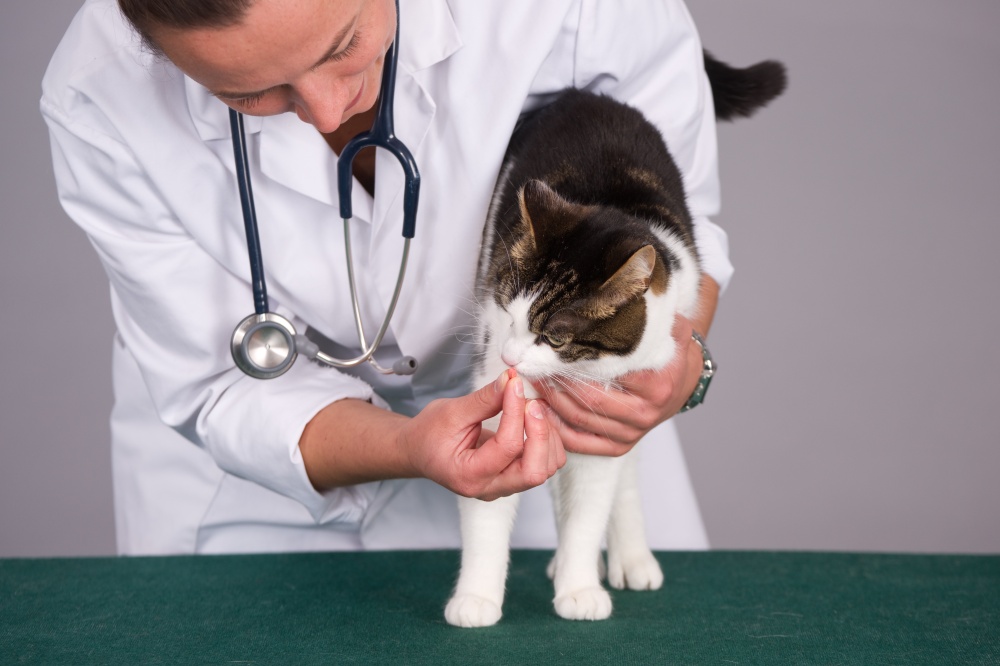
Анестезирующий эффект наступает после 1÷7 минут; более глубокий наркоз через 20÷60 минут. Действие Золетила прекращается от 1 часа до 5,5 часов. У детёнышей и старых животных период увеличивается.
© shutterstock
Если не требуется долгого анестезирующего эффекта, доза составляет 10мк/ кг; при более глубоком наркозе – 15мк/ кг.
Противопоказания Золетила при следующих заболеваниях:
- гипертонии;
- сердечно – сосудистой системы;
- поджелудочной железы;
- проблеме с дыхательной системой.
Плацента пропускает препарат, поэтому возможно угнетение плода. С осторожностью применяют при почечных патологиях.
Описание
Фармакологические свойства
Пропофол – 2,6-диизопропилфенол, вызывает быструю общую анестезию за счет неспецифическоrо действия на уровне липидных мембран нейронов ЦНС.
Механизм действия пропофола основан на потенцировании гамма аминомасляной кислоты в ГАМК-рецепторе, что облегчает проведение ингибирующего импульса и замедляет время закрытия хлоридного ионного канала.
При внутривенном введении пропофола анестезия наступает примерно в течение 30-60 секунд, без выраженных признаков возбуждения.
Риск возникновения болевых ощущений при парентеральном введении максимально снижен за счет входящего в состав препарата лидокаина.
Лидокаин обладает местноанестезирующим действием, препятствует генерации импульсов в окончаниях чувствительных нервов и проведению импульсов по нервным волокнам.
Пропофол по степени воздействия на организм относится к высокоопасным веществам (2 класс опасности по ГОСТ 12.1.007-76).
Показания к применению
АНЕСТОФОЛ® 5% применяют для эвтаназии собак и кошек, физические страдания которых невозможно облегчить медикаментозно.
Состав и форма выпуска
АНЕСТОФОЛ® 5% содержит в качестве действующих веществ пропофола – 50 мг и лидокаина гидрохлорида – 50 мг. АНЕСТОФОЛ® 5% выпускают расфасованным по 10 мл во флаконы темного стекла соответствующей вместимости, герметично укупоренные резиновыми пробками, укрепленными алюминиевыми колпачками. Флаконы упаковывают индивидуально в коробки из картона. Каждая потребительская упаковка препарата сопровождается инструкцией по применению.
Инструкция по применению
АНЕСТОФОЛ® 5% вводят для эвтаназии собакам и кошкам внутривенно в дозе 1 мл препарата на 2,5-5 кг массы животного, что соответствует 10-20 мг пропофола на 1 кг массы животного.
Особые указания
АНЕСТОФОЛ® 5% не предназначен для применения продуктивным животным.