
Пирантел (Pyrantel) инструкция по применению
📜 Инструкция по применению Пирантел
💊 Состав препарата Пирантел
✅ Применение препарата Пирантел
📅 Условия хранения Пирантел
⏳ Срок годности Пирантел
Описание лекарственного препарата
Пирантел
(Pyrantel)
Могут иметься расхождения с действующей инструкцией препарата, описание составлено в
2015 году и приведено в сокращённом виде.
Дата обновления: 2019.06.10
Владелец регистрационного удостоверения:
Лекарственная форма
| Пирантел |
Сусп. д/приема внутрь 250 мг/5 мл: фл. 5 мл, 10 мл, 15 мл или 25 мл в компл. с мерн. стаканчиком или мерн. ложкой рег. №: ЛП-002914 |
Форма выпуска, упаковка и состав
препарата Пирантел
Суспензия для приема внутрь светло-желтого цвета, с характерным запахом; допускается разделение на жидкий слой и осадок, после взбалтывания образуется однородная суспензия.
Вспомогательные вещества: натрия бензоат — 15 мг, кармеллоза натрия — 15 мг, сорбитол 70% (некристаллизующийся) — 3605 мг, глицерол — 303.5 мг, магния алюмосиликат — 16.5 мг, полисорбат 80 — 10 мг, повидон К25 — 100 мг, лимонной кислоты моногидрат — 1.5 мг, симетикона эмульсия — 2.5 мг, ароматизатор фруктовый — 2.5 мг, вода — до 5 мл.
5 мл — флаконы (1) в комплекте с мерным стаканчиком или мерной ложкой — пачки картонные.
10 мл — флаконы (1) в комплекте с мерным стаканчиком или мерной ложкой — пачки картонные.
15 мл — флаконы (1) в комплекте с мерным стаканчиком или мерной ложкой — пачки картонные.
25 мл — флаконы (1) в комплекте с мерным стаканчиком или мерной ложкой — пачки картонные.
Показания препарата
Пирантел
- аскаридоз;
- энтеробиоз;
- анкилостомидоз (в т.ч. некатороз).
Режим дозирования
Для приема внутрь.
Суспензию перед употреблением взбалтывают.
1 мл суспензии содержит 50 мг пирантела.
Пирантел можно принимать к любое время суток, не обязательно натощак. До и после приема препарата слабительные средства не применяют.
Аскаридоз, энтеробиоз:
При энтеробиозе, а также смешанных инвазиях (энтеробиоз и аскаридоз), доза, предназначенная на весь курс (из расчета 10 мг/кг массы тела), применяется однократно.
Детям от 6 месяцев до 2 лет: 2.5 мл суспензии (125 мг);
Детям с 2 лет с массой тела более 12 кг до 6 лет: 5 мл суспензии (250 мг);
Детям от 6 до 12 лет: 10 мл суспензии (500 мг);
Детям старше 12 лет и взрослым с массой тела менее 75 кг: 15 мл суспензии (750 мг);
Взрослым с массой тела более 75 кг: 20 мл суспензии (1000 мг).
Для профилактики повторного заражения рекомендуется повторить прием препарата через 3 недели.
При изолированном аскаридозе — 5 мг/кг однократно.
Анкилостомидоз:
В зонах эндемии, в случае заражения Necalor americanus или в случае тяжелого заражения Ancylostoma duodenale, дозировка составляет 20 мг/кг/сут (за один или два приема) в течение двух-трех дней.
В случае заражения Ancylostoma duodenale вне зон эндемии (протекает более легко) применяют в дозе 10 мг/кг за один прием.
Побочное действие
Со стороны ЖКТ: тошнота, рвота, боли в животе, диарея, потеря аппетита, повышение активности «печеночных» трансаминаз.
Аллергические реакции: зуд, крапивница, кожная сыпь.
Со стороны нервной системы: головная боль, головокружение, слабость, сонливость, бессонница, галлюцинации, спутанность сознания, парестезии.
Со стороны органа слуха и лабиринтные нарушения: нарушение слуха.
Прочие: гипертермия.
Противопоказания к применению
- повышенная чувствительность к пирантелу и другим компонентам препарата;
- миастения;
- печеночная недостаточность;
- дети до 6 месяцев.
С осторожностью: детский возраст с 6 месяцев до 6 лет и массой тела менее 10 кг.
Условия хранения препарата Пирантел
Препарат следует хранить в защищенном от света и недоступном для детей месте при температуре не выше 25°С.
Срок годности препарата Пирантел
Срок годности — 3 года. Не использовать препарат после истечения срока годности.
Условия реализации
Препарат отпускается по рецепту.
Если вы хотите разместить ссылку на описание этого препарата — используйте данный код

Медикамент запрещен для реализации в аптеках.
|
||
|
||
|
||
|
||
|
||
|
||
|
||
|
||
|
||
|
||
|
||
|


Информация о лекарственных препаратах, размещенная на AptekaMos.ru, не должна использоваться неспециалистами для самостоятельного принятия решения об их покупке и применении без консультации врача.
Свидетельство о регистрации средства массовой информации ЭЛ № ФС77-44705 выдано Федеральной службой по надзору в сфере связи, информационных технологий и массовых коммуникаций (Роскомнадзор) 21 апреля 2011 года.
• Инструкция по применению Калпол 6 плюс суспензия 250мг/5мл 100мл.
• Способ применения и дозировка, состав, побочное действие и взаимодействие Калпол 6 плюс суспензия 250мг/5мл 100мл
Обезболивающие препараты
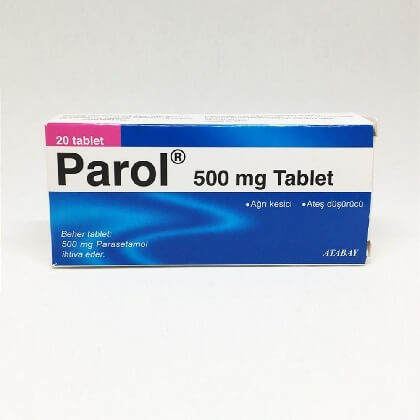 PAROL содержит активный компонент парацетамол, который действует как болеутоляющее и жаропонижающее средство. Препарат необходимо принимать при легкой и умеренной боли.
PAROL 500 mg tablet: инструкция по применению
1. Состав:
Активный компонент: парацетамол 500 мг.
Дополнительные компоненты: целлюлоза микрокристаллическая, повидон К-30, крахмал кукурузный, кислота стеариновая.
2. Описание:
PAROL – это лекарство, содержащее 500 мг парацетамола в каждой таблетке и действующее как болеутоляющее и жаропонижающее средство. Используется для симптоматического (не лечебного, а облегчающего) лечения легкой и умеренной боли и лихорадки.
3. Особые указания:
3.1. Не используйте препарат в следующих случаях:
- Аллергия на парацетамол или другие вещества в препарате.
- Тяжелая печеночная или почечная недостаточность.
- Не принимайте лекарство, если вы уже принимаете другие препараты, содержащие парацетамол. Это может вызвать передозировку.
- Не рекомендуется принимать парацетамол совместно с алкоголем.
3.2. Используйте препарат с осторожностью в следующих случаях:
- Лекарство рекомендуется применять под контролем врача у пациентов с анемией, при легочных заболеваниях, а также при нарушении функции печени и почек.
- Использовать с осторожностью в случае кожной сыпи или кожной реакции.
- Если ваш вес ниже нормы, если вы страдаете анорексией или испытываете дефицит питательных веществ,
- Если у вас синдром Жильбера, наследственное заболевание, характеризующееся повышенным уровнем ферментов печени и преходящей желтухой.
- Гемолиз (разрушение эритроцитов) редко наблюдается у людей с дефицитом глюкозо-6-фосфатдегидрогеназы, которая эффективно участвует в метаболизме сахара в крови.
- Если в течение 3-5 дней боль и/или лихорадка не уменьшаются, либо появляются новые симптомы, прекратите использование парацетамола и обратитесь к врачу.
- PAROL вызывает серьезную печеночную токсичность (отравление) при приеме в однократной высокой дозе. Может вызвать повреждение печени при длительном приеме.
- Следует с осторожностью применять людям с алкогольной болезнью печени.
- У пациентов с дефицитом глутатиона, например с сепсисом, применение парацетамола может спровоцировать метаболический ацидоз.
Симптомы метаболического ацидоза включают:
— Медленное шумное дыхание.
— Тошнота и рвота.
— Анорексия
Если эти предупреждения относятся к вам, проконсультируйтесь с врачом.
3.3. Взаимодействие с едой и напитками:
Прием препарата совместно с едой, может снизить всасывание парацетамола в кишечнике.
Не рекомендуется принимать алкоголь во время лечения парацетамолом.
3.4. Беременность и кормление грудью:
Необходима консультация врача.
3.5. Влияние на управление транспортным средством:
У некоторых людей парацетамол может вызвать сонливость. Не рекомендуется в подобном состоянии управлять транспортным средством.
3.5. Взаимодействие с другими препаратами:
Действие препарата Parol может измениться при совместном применении с некоторыми лекарственными средствами.
- Препараты, замедляющие опорожнение желудка (например, пропантелин и т. д.).
- Препараты, ускоряющие опорожнение желудка (например, метоклопрамид).
- Лекарства, стимулирующие ферменты печени (например, некоторые снотворные), некоторые лекарства, применяемые при эпилепсии (например, фенитоин, фенобарбитал, карбамазепин).
- Хлорамфеникол, рифампицин, используемые в качестве антибиотиков.
- Антикоагулянты, производные варфарина и кумарина (препараты, препятствующие свертыванию крови).
- Зидовудин (препарат, используемый для лечения и профилактики ВИЧ-инфекции (СПИДа) у детей и взрослых).
- Домперидон (используется для лечения тошноты и рвоты).
- Препараты, содержащие зверобой продырявленный.
- Холестираминсодержащие препараты (при лечении повышенного холестерина).
- Лекарства, содержащие трописетрон и гранисетрон (используются для предотвращения тошноты и рвоты у пациентов, получающих лучевую терапию и/или химиотерапию).
- Обезболивающие препараты.
- Алкоголь.
- Антидепрессанты.
Если вы в настоящее время используете или недавно использовали какие-либо лекарства, отпускаемые по рецепту или без рецепта, сообщите об этом своему врачу или фармацевту.
4. Способ применения и дозировка:
Таблетку принимают внутрь, запивая стаканом воды.
PAROL подходит для взрослых и детей старше 6 лет.
Рекомендуемая доза для взрослых и детей старше 12 лет составляет 1-2 таблетки, при необходимости дозу можно повторять каждые 4 часа.
Максимальная суточная доза составляет 4000 мг. Однако не следует использовать более 4 доз в течение 24 часов. Рекомендуемая доза для детей в возрасте 6-12 лет составляет ½ таблетки с интервалом 4-6 часов. Высшая суточная доза составляет 60 мг/кг в несколько приемов по 10-15 мг/кг.
Всегда используйте самую низкую эффективную дозу для облегчения симптомов.
4.1. Разные возрастные группы:
Применение у детей:
Препарат не следует давать детям младше 6 лет.
Не применять детям в возрасте от 6 до 11 лет более 3 дней без консультации с врачом.
Применение у пожилых людей:
Обычная взрослая доза подходит для здоровых, активных пожилых людей.
Доза и частота приема должны быть уменьшены для худощавых пожилых людей, ведущих малоподвижный образ жизни.
4.2. Особые случаи использования:
Почечная/печеночная недостаточность
Пациентам с нарушением функции печени и почек легкой и средней степени тяжести следует с осторожностью принимать парацетамол.
4.3. Передозировка:
В случаях передозировки основными симптомами являются бледность, потеря аппетита, тошнота и рвота, но в некоторых случаях симптомы могут не проявляться в течение нескольких часов.
При появлении симптомов передозировки обратитесь к врачу.
Прием парацетамола в высоких дозах может вызвать отравление печени.
4.4. Пропущенная доза:
Не принимайте двойную дозу, чтобы компенсировать забытые дозы.
5. Побочные эффекты:
Если вы обнаружите следующие побочные эффекты, прекратите использование препарата и немедленно обратитесь к врачу:
- Отек рук, ног, лица и губ, горла, отдышка (анафилактический шок).
- Аллергические симптомы.
- Астма и астмоподобные симптомы (бронхоспазм), вызывающие одышку.
- Проблемы с дыханием.
- Синяки и кровотечения.
Это очень серьезные побочные эффекты, при которых требуется срочная медицинская помощь.
Другие побочные эффекты:
Часто:
- Сонливость.
- Головная боль.
- Головокружение.
- Симптомы инфекции верхних дыхательных путей.
- Тошнота, рвота.
- Вздутие живота.
- Боли в животе.
- Запор.
- Расстройство желудка.
Редко:
- Снижение количества лейкоцитов (лейкопения), уменьшение количества клеток крови (панцитопения), анемия (анемия), наличие метгемоглобина в крови (метомоглобинемия), аномально низкое количество лейкоцитов (нейтропения), кровотечение из капилляров в кожу (тромбоцитопеническая пурпура)
- Тошнота, рвота, диарея, боль в животе.
- Серьезная аллергическая реакция (анафилаксия), которая начинается внезапно и может привести к смерти.
- Кожная сыпь, зуд, экзема, аллергический отек, отек лица, языка и горла (ангионевротический отек), распространенная сыпь с выделениями (острый генерализованный экзантематозный пустулез), гиперчувствительность, вызывающая кружевовидное покраснение на руках, лице и ногах (мультиформная эритема).
- Синдром Стивенса-Джонсона (состояние, при котором кожа и слизистые оболочки резко реагируют на лекарства или инфекцию).
- Токсический эпидермальный некролиз (синдром Лайелла) (кожное заболевание, которое может развиться из-за лекарств и различных инфекций).
Очень редко:
- Внезапное и частое снижение числа клеток крови (агранулоцитоз).
- Снижение количества тромбоцитов (тромбоцитопения).
- Симптомы аллергической реакции.
- Бронхоспазм у пациентов с чувствительностью к аспирину или аналогичным нестероидным противовоспалительным препаратам.
- Дисфункция печени.
Частота неизвестна:
- Возбуждение в центральной нервной системе, головокружение, воспаление головного мозга (энцефалопатия), бессонница, тремор.
- Положительный тест на аллергию.
- Иммунная тромбоцитопения.
- Поражение почек (папиллярный некроз), которое может привести к почечной недостаточности при длительном применении.
- Кровотечения в пищеварительной системе.
6. Условия хранения:
Хранить в закрытой упаковке при комнатной температуре ниже 25°С, в недоступном для детей и животных месте.
Не использовать после истечения срока годности, указанного на упаковке.
7. Производитель:
ATABAY PHARMACEUTICAL FACTORY A.Ş.
Стамбул, Турция
FAQ: Почему важно принимать лекарства только по назначению и обращаться к врачу
1. Что такое самолечение?
Самолечение — это процесс использования лекарств или лечебных средств без консультации врача и без рецепта. Люди могут самостоятельно принимать лекарства, которые они считают подходящими для своих симптомов, без адекватного медицинского обследования.
2. Почему самолечение опасно?
— Неправильная диагностика: Без обследования врач не может точно определить причину симптомов и поставить правильный диагноз. Подобное самодиагностирование может привести к неправильному лечению и замедлению процесса выздоровления.
— Неправильный выбор лекарств: Различные заболевания требуют разных подходов к лечению. Самолечение может привести к неправильному выбору лекарств, что может ухудшить состояние пациента или вызвать побочные эффекты.
— Потенциальные побочные эффекты: Лекарства могут вызывать побочные эффекты, взаимодействовать с другими препаратами или противопоказаны при определенных заболеваниях или состояниях пациента. Врач учитывает эти факторы при назначении лекарственного препарата, а самолечение может привести к нежелательным последствиям.
— Маскирование симптомов: Принимая лекарства без консультации врача, можно подавить симптомы заболевания, что затрудняет диагностику и может привести к прогрессированию болезни.
— Риск привыкания: Неконтролируемое применение определенных лекарств, особенно препаратов, которые могут вызывать зависимость, может привести к развитию физической или психологической зависимости.
3. Какие проблемы могут возникнуть у детей, если их лечат без назначения врача?
— Недостаточная дозировка: Дети имеют особенности в организме, которые могут потребовать специального подхода к дозировке лекарств. Самолечение у детей может привести к неправильной дозировке и негативным последствиям.
— Отсутствие знания о взаимодействии: Неконтролируемое применение нескольких лекарств одновременно может привести к взаимодействию и негативным эффектам. Дети могут принимать лекарства без знания о таких взаимодействиях, что может быть опасно для их здоровья.
— Неправильное лечение основного заболевания: Некоторые заболевания у детей требуют специфического и комплексного лечения. Без профессиональной консультации и наблюдения врача, самолечение может привести к неправильному лечению основного заболевания, что может быть опасно для ребенка.
4. Почему важно обращаться к врачу и принимать лекарства только по назначению?
— Квалифицированная медицинская помощь: Врачи обладают знаниями и опытом, необходимыми для постановки правильного диагноза и назначения эффективного лечения. Обращение к врачу гарантирует получение квалифицированной медицинской помощи.
— Индивидуальный подход: Врач учитывает индивидуальные особенности пациента, его состояние здоровья, возраст, сопутствующие заболевания и другие факторы при выборе лекарственных препаратов и их дозировке.
— Безопасность и эффективность: Лекарственные препараты, назначенные врачом, прошли необходимые клинические испытания и доказали свою безопасность и эффективность. Врачи следят за реакцией пациента на лекарства и могут корректировать лечение при необходимости.
— Мониторинг состояния здоровья: Регулярные посещения врача позволяют отслеживать динамику заболевания и корректировать лечение в соответствии с изменениями состояния пациента.
— Профилактика и предотвращение осложнений: Врачи могут предоставить рекомендации по профилактике и предотвращению осложнений, а также дать советы по образу жизни и диете для поддержания общего здоровья.
Важно помнить, что самолечение может быть опасным и привести к серьезным последствиям. При любых симптомах или заболеваниях рекомендуется обратиться к врачу для получения профессиональной медицинской помощи и консультации.
Торговое название:
- Цетал
- Cetal
Состав:
Каждые 5 мл суспензии содержит:
- Парацетамола 250 мг
Свойства:
Анальгетик-антипиретик. Обладает анальгезирующим, жаропонижающим и слабым противовоспалительным действием. Механизм действия связан с ингибированием синтеза простагландинов, преимущественным влиянием на центр терморегуляции в гипоталамусе.
Показания :
- Болевой синдром слабой и умеренной интенсивности различного генеза (в т.ч. головная боль, мигрень, зубная боль, невралгия, миалгия, альгодисменорея; боль при травмах, ожогах).
- Лихорадка при инфекционно-воспалительных заболеваниях.
Способ применения и дозы:
- Взрослые :
500мг-1г каждых 4-6 часов.
- Дети:
10мг/ кг каждых 4-6 часов.
- Дети от 3 мес -1 года: 60-120 мг.
1-6 лет: 120мг-250мг.
6-12лет : 250мг-500мг.
Противопоказания:
Хронический алкоголизм, повышенная чувствительность к парацетамолу.
Меры предосторожности:
- С осторожностью применяют у пациентов с нарушениями функции печени и почек, с доброкачественной гипербилирубинемией, а также у больных пожилого возраста.
- При длительном применении парацетамола необходим контроль картины периферической крови и функционального состояния печени.
- Побочные эффекты:
- Со стороны пищеварительной системы: редко – диспептические явления, при длительном применении в высоких дозах – гепатотоксическое действие.
- Со стороны системы кроветворения: редко – тромбоцитопения, лейкопения, панцитопения, нейтропения, агранулоцитоз.
- Аллергические реакции: редко – кожная сыпь, зуд, крапивница.
Способ хранения:
В сухом прохладном месте при температуре не выше 25 градусов.
Упаковка:
Картонная коробка вмещает бутылку 50мл , 60мл, 100мл, 120мл.
Top 20 medicines with the same components:
Top 20 medicines with the same treatments:

The information provided in of Parol-Plus
is based on data of another medicine with exactly the same composition as the Parol-Plus.
. Be careful and be sure to specify the information on the section in the instructions to the drug Parol-Plus directly from the package or from the pharmacist at the pharmacy.
more…
Parol-Plus
Qualitative and quantitative composition
The information provided in Qualitative and quantitative composition of Parol-Plus
is based on data of another medicine with exactly the same composition as the Parol-Plus.
. Be careful and be sure to specify the information on the section Qualitative and quantitative composition in the instructions to the drug Parol-Plus directly from the package or from the pharmacist at the pharmacy.
more…
Acetaminophen
Therapeutic indications
The information provided in Therapeutic indications of Parol-Plus
is based on data of another medicine with exactly the same composition as the Parol-Plus.
. Be careful and be sure to specify the information on the section Therapeutic indications in the instructions to the drug Parol-Plus directly from the package or from the pharmacist at the pharmacy.
more…
Pills; Rectal suppositories; Rectal suppositories for children; Solution for infusion; Substance; Substance-powder; Syrup; Tablets, effervescent
Bolus; Coated tablet; Effervescent tablet; Film-coated tablet; Tablets, soluble
Suspension for ingestion for children
For the treatment of mild to moderate pain including headache, migraine, neuralgia, toothache, sore throat, period pains, aches and pains, symptomatic relief of rheumatic aches and pains and of influenza, feverishness and feverish colds.
Parol-Plus ActiFast is a mild analgesic and antipyretic, and is recommended for the treatment of most painful and febrile conditions, for example, headache including migraine and tension headaches, toothache, backache, rheumatic and muscle pains, dysmenorrhoea, sore throat, and for relieving the fever, aches and pains of colds and flu.
Parol-Plus Infant Sugar Free Colour Free 120 mg/5 ml Oral Suspension is indicated for the treatment of mild to moderate pain and as an antipyretic. It can be used in many conditions including headache, toothache, earache, teething, sore throat, colds and influenza, aches and pains and post-immunisation fever.
Dosage (Posology) and method of administration
The information provided in Dosage (Posology) and method of administration of Parol-Plus
is based on data of another medicine with exactly the same composition as the Parol-Plus.
. Be careful and be sure to specify the information on the section Dosage (Posology) and method of administration in the instructions to the drug Parol-Plus directly from the package or from the pharmacist at the pharmacy.
more…
Pills; Rectal suppositories; Rectal suppositories for children; Solution for infusion; Substance; Substance-powder; Syrup; Tablets, effervescent
Bolus; Coated tablet; Effervescent tablet; Film-coated tablet; Tablets, soluble
Suspension for ingestion for children
Adults, the elderly and young persons 16 years and over:
2 tablets every 4 hours to a maximum of 8 tablets in 24 hours.
Children 6 — 9 years:
½ tablet every 4 hours to a maximum of 4 doses in 24 hours.
Children 10 — 11 years:
1 tablet every 4 hours to a maximum of 4 doses in 24 hours
Adolescents 12 — 15 years:
1 to 1 ½ tablets every 4 hours to a maximum of 4 doses in 24 hours
Do not give to children aged under 6 years of age.
For oral administration.
Adults, including the elderly and children 16 years and over:
Two tablets to be taken with half a tumbler of water (100 ml).
To ensure fast onset of pain relief no less than two tablets must be taken with 100 ml of water. For maximum speed of action this should be on an empty stomach.
Two tablets up to four times daily as required. The dose should not be repeated more frequently than every four hours nor should more than four doses be taken in any 24 hour period.
Children aged 12-15 years:
One tablet to be taken with half a tumbler of water (100ml), up to four times daily as required. The dose should not be repeated more frequently than every four hours nor should more than 4 doses be given in any 24 hour period.
Children under 12 years of age:
Parol-Plus ActiFast is not recommended for children under 12 years of age.
For the relief of fever after vaccinations at 2, 3 and 4 months
2.5ml. This dose may be given up to 4 times a day starting at the time of vaccination. Do not give more than 4 doses in any 24 hour period. Leave at least 4 hours between doses. If your baby still needs this medicine two days after receiving the vaccine talk to your doctor or pharmacist.
|
Age : 2 — 3 months |
Dose |
|
Pain and other causes of fever — if your baby weighs over 4 kg and was born after 37 weeks |
2.5 ml If necessary, after 4-6 hours, give a second 2.5 ml dose |
|
— Do not give to babies less than 2 months of age. — Leave at least 4 hours between doses. — Do not give more than 2 doses. This is to ensure that fever that may be due to a serious infection is quickly diagnosed. If your child is still feverish after two doses, talk to your doctor or pharmacist. |
Children aged 3 months — 6 years:
|
Child’s Age |
How Much |
How often (in 24 hours) |
|
3 — 6 months |
2.5 ml |
4 times |
|
6 — 24 months |
5 ml |
4 times |
|
2 — 4 years |
7.5 ml (5 ml + 2.5 ml) |
4 times |
|
4 — 6 years |
10 ml (5 ml + 5 ml) |
4 times |
|
— Do not give more than 4 doses in any 24 hour period — Leave at least 4 hours between doses — Do not give this medicine to your child for more than 3 days without speaking to your doctor or pharmacist |
It is important to shake the bottle for at least 10 seconds before use.
The Elderly:
In the elderly, the rate and extent of paracetamol absorption is normal but plasma half-life is longer and paracetamol clearance is lower than in young adults.
Contraindications
The information provided in Contraindications of Parol-Plus
is based on data of another medicine with exactly the same composition as the Parol-Plus.
. Be careful and be sure to specify the information on the section Contraindications in the instructions to the drug Parol-Plus directly from the package or from the pharmacist at the pharmacy.
more…
Pills; Rectal suppositories; Rectal suppositories for children; Solution for infusion; Substance; Substance-powder; Syrup; Tablets, effervescent
Bolus; Coated tablet; Effervescent tablet; Film-coated tablet; Tablets, soluble
Suspension for ingestion for children
Hypersensitivity to Parol-Plus or any of the constituents.
Hypersensitivity to paracetamol or any of the other constituents.
Special warnings and precautions for use
The information provided in Special warnings and precautions for use of Parol-Plus
is based on data of another medicine with exactly the same composition as the Parol-Plus.
. Be careful and be sure to specify the information on the section Special warnings and precautions for use in the instructions to the drug Parol-Plus directly from the package or from the pharmacist at the pharmacy.
more…
Pills; Rectal suppositories; Rectal suppositories for children; Solution for infusion; Substance; Substance-powder; Syrup; Tablets, effervescent
Bolus; Coated tablet; Effervescent tablet; Film-coated tablet; Tablets, soluble
Suspension for ingestion for children
Care is advised in the administration of Parol-Plus to patients with severe renal or severe hepatic impairment. The hazards of overdose are greater in those with non-cirrhotic alcoholic liver disease.
Do not take more medicine than the label tells you to. If you do not get better, talk to your doctor.
Contains Parol-Plus.
Do not take anything else containing Parol-Plus while taking this medicine.
Talk to your doctor at once if you take too much of this medicine, even if you feel well. This is because too much Parol-Plus can cause delayed, serious liver damage.
Patients should be advised that Parol-Plus may cause severe skin reactions. If a skin reaction such as skin reddening, blisters, or rash occurs, they should stop use and seek medical assistance right away.
Care is advised in the administration of paracetamol to patients with renal or hepatic impairment. The hazard of overdose is greater in those with non-cirrhotic alcoholic liver disease.
Do not exceed the stated dose.
Patients should be advised not to take other paracetamol-containing products concurrently.
Each Parol-Plus ActiFast tablet contains 173 mg of sodium and should not be taken by patients on a low sodium diet.
Patients should be advised to consult their doctor if their headaches become persistent.
If symptoms persist consult your doctor.
Keep out of the reach and sight of children.
Pack Label:
Immediate medical advice should be sought in the event of an overdose, even if you feel well.
Do not take with any other paracetamol-containing products.
Patient Information Leaflet:
Immediate medical advice should be sought in the event of an overdose, even if you feel well, because of the risk of delayed, serious liver damage.
Parol-Plus Infant Sugar Free Colour Free 120 mg/5 ml Oral Suspension should be used with caution in severe renal impairment or severe hepatic impairment. The hazards of overdose are greater in those with non-cirrhotic alcoholic liver disease.
Concomitant use of other paracetamol-containing products should be avoided.
Due to the presence of maltitol liquid (E965) and sorbitol liquid (E420), patients with rare hereditary problems of fructose intolerance should not take this medicine.
Ethyl (E214), Propyl (E216) and Methyl (E218) parahydroxybenzoate may cause allergic reactions (possibly delayed).
Patients should be informed about the signs of serious skin reactions, and use of the drug should be discontinued at the first appearance of skin rash or any other sign of hypersensitivity.
The label contains the following statements:
Contains paracetamol.
Do not give anything else containing paracetamol while giving this medicine.
Do not give more medicine than the label tells you to. If your child does not get better, talk to your doctor.
For oral use only.
Always use the syringe supplied with the pack.
Do not give to babies less than 2 months of age.
For infants 2-3 months no more than 2 doses should be given.
Do not give more than 4 doses in any 24 hour period.
Leave at least 4 hours between doses.
Do not give this medicine to your child for more than 3 days without speaking to your doctor or pharmacist.
As with all medicines, if your child is currently taking any other medicine consult your doctor or pharmacist before using this product.
Keep out of the sight and reach of children.
Do not store above 25°C. Keep bottle in the outer carton.
It is important to shake the bottle for at least 10 seconds before use.
Talk to a doctor at once if your child takes too much of this medicine, even if they seem well.
The leaflet contains the following statements:
Talk to a doctor at once if your child takes too much of this medicine, even if they seem well. This is because too much paracetamol can cause delayed, serious liver damage.
Talk to your doctor: If your child has an inherited intolerance to fructose or been diagnosed with an intolerance to some other sugars.
The sorbitol liquid (E420) and maltitol liquid (E965) content of this product means that this product is unsuitable for people with inherited intolerance to fructose.
Very rare cases of serious skin reactions have been reported. Symptoms may include:
— Skin reddening
— Blisters
— Rash
If skin reactions occur or existing skin symptoms worsen, stop use and seek medical help right away.
Effects on ability to drive and use machines
The information provided in Effects on ability to drive and use machines of Parol-Plus
is based on data of another medicine with exactly the same composition as the Parol-Plus.
. Be careful and be sure to specify the information on the section Effects on ability to drive and use machines in the instructions to the drug Parol-Plus directly from the package or from the pharmacist at the pharmacy.
more…
None.
Undesirable effects
The information provided in Undesirable effects of Parol-Plus
is based on data of another medicine with exactly the same composition as the Parol-Plus.
. Be careful and be sure to specify the information on the section Undesirable effects in the instructions to the drug Parol-Plus directly from the package or from the pharmacist at the pharmacy.
more…
Pills; Rectal suppositories; Rectal suppositories for children; Solution for infusion; Substance; Substance-powder; Syrup; Tablets, effervescent
Bolus; Coated tablet; Effervescent tablet; Film-coated tablet; Tablets, soluble
Suspension for ingestion for children
Adverse effects of Parol-Plus are rare. Very rare cases of serious skin reactions have been reported. There have been reports of blood dyscrasias including thrombocytopenia purpura, methaemoglobenaemia and agranulocytosis, but these were not necessarily causality related to Parol-Plus.
Reporting of suspected adverse reactions
Reporting suspected adverse reactions after authorisation of the medicinal product is important. It allows continued monitoring of the benefit/risk balance of the medicinal product. Healthcare professionals are asked to report any suspected adverse reactions via the Yellow Card Scheme at www.mhra.gov.uk/yellowcard.
Adverse events of paracetamol from historical clinical trial data are both infrequent and from small patient exposure. Accordingly, events reported from extensive post-marketing experience at therapeutic/labelled dose and considered attributable are tabulated below by system class. Due to limited clinical trial data, the frequency of these adverse events is not known (cannot be estimated from available data), but post-marketing experience indicates that adverse reactions to paracetamol are rare and serious reactions are very rare.
Post marketing data
|
Body System |
Undesirable effect |
|
Blood and lymphatic system disorders |
Thrombocytopenia Agranulocytosis |
|
Immune system disorders |
Anaphylaxis Cutaneous hypersensitivity reactions including skin rashes, angiodema and Stevens Johnson syndrome/toxic epidermal necrolysis |
|
Respiratory, thoracic and mediastinal disorders |
Bronchospasm* |
|
Hepatobiliary disorders |
Hepatic dysfunction |
* There have been cases of bronchospasm with paracetamol, but these are more likely in asthmatics sensitive to aspirin or other NSAIDs.
Adverse effects of paracetamol are rare but hypersensitivity/anaphylactic reactions including skin rash may occur. Very rare cases of serious skin reactions have been reported. There have been reports of blood dyscrasias including thrombocytopenia and agranulocytosis but these were not necessarily causally related to paracetamol.
Most reports of adverse reactions to paracetamol relate to overdose with the drug.
Chronic hepatic necrosis has been reported in a patient who took daily therapeutic doses of paracetamol for about a year and liver damage has been reported after daily ingestion of excessive amounts for shorter periods. A review of a group of patients with chronic active hepatitis failed to reveal differences in the abnormalities of liver function in those who were long-term users of paracetamol nor was the control of their disease improved after paracetamol withdrawal.
Nephrotoxicity following therapeutic doses of paracetamol is uncommon, but papillary necrosis has been reported after prolonged administration.
Low level transaminase elevations may occur in some patients taking therapeutic doses of paracetamol; these are not accompanied with liver failure and usually resolve with continued therapy or discontinuation of paracetamol.
Reporting of suspected adverse reactions
Reporting suspected adverse reactions after authorisation of the medicinal product is important. It allows continued monitoring of the benefit/risk balance of the medicinal product. Healthcare professionals are asked to report any suspected adverse reactions via the Yellow Card Scheme at: www.mhra.gov.uk/yellowcard
Overdose
The information provided in Overdose of Parol-Plus
is based on data of another medicine with exactly the same composition as the Parol-Plus.
. Be careful and be sure to specify the information on the section Overdose in the instructions to the drug Parol-Plus directly from the package or from the pharmacist at the pharmacy.
more…
Pills; Rectal suppositories; Rectal suppositories for children; Solution for infusion; Substance; Substance-powder; Syrup; Tablets, effervescent
Bolus; Coated tablet; Effervescent tablet; Film-coated tablet; Tablets, soluble
Suspension for ingestion for children
Liver damage is possible in adults who have taken 10g or more of Parol-Plus. Ingestion of 5g or more of Parol-Plus may lead to liver damage if the patient has risk factors (see below).
Risk Factors
If the patient
a) Is on long term treatment with carbamazepine, phenobarbitone, phenytoin, primidone, rifampicin, St John’s Wort or other drugs that induce liver enzymes.
Or
b) Regularly consumes ethanol in excess of recommended amounts.
Or
c) Is likely to be glutathione deplete e.g. eating disorders, cystic fibrosis, HIV infection, starvation, cachexia.
Symptoms
Symptoms of Parol-Plus overdosage in the first 24 hours are pallor, nausea, vomiting, anorexia and abdominal pain. Liver damage may become apparent 12 to 48 hours after ingestion. Abnormalities of glucose metabolism and metabolic acidosis may occur. In severe poisoning, hepatic failure may progress to encephalopathy, haemorrhage, hypoglycaemia, cerebral oedema, and death. Acute renal failure with acute tubular necrosis, strongly suggested by loin pain, haematuria and proteinuria, may develop even in the absence of severe liver damage. Cardiac arrhythmias and pancreatitis have been reported.
Management
Immediate treatment is essential in the management of Parol-Plus overdose. Despite a lack of significant early symptoms, patients should be referred to hospital urgently for immediate medical attention. Symptoms may be limited to nausea or vomiting and may not reflect the severity of overdose or the risk of organ damage. Management should be in accordance with established treatment guidelines, see BNF overdose section.
Treatment with activated charcoal should be considered if the overdose has been taken within 1 hour. Plasma Parol-Plus concentration should be measured at 4 hours or later after ingestion (earlier concentrations are unreliable).
Treatment with N-acetylcysteine may be used up to 24 hours after ingestion of Parol-Plus however, the maximum protective effect is obtained up to 8 hours post ingestion.
If required the patient should be given intravenous-N-acetylcysteine, in line with the established dosage schedule. If vomiting is not a problem, oral methionine may be a suitable alternative for remote areas, outside hospital.
Management of patients who present with serious hepatic dysfunction beyond 24 hours from ingestion should be discussed with the NPIS or a liver unit.
Liver damage is possible in adults who have taken 10g or more of paracetamol. Ingestion of 5g or more of paracetamol may lead to liver damage if the patient has risk factors (see below).
Risk factors
If the patient
a, Is on long term treatment with carbamazepine, phenobarbitone, phenytoin, primidone, rifampicin, St John’s Wort or other drugs that induce liver enzymes.
Or
b, Regularly consumes ethanol in excess of recommended amounts.
Or
c, Is likely to be glutathione deplete e.g. eating disorders, cystic fibrosis, HIV infection, starvation, cachexia.
Symptoms
Symptoms of paracetamol overdosage in the first 24 hours are pallor, nausea, vomiting, anorexia and abdominal pain. Liver damage may become apparent 12 to 48 hours after ingestion. Abnormalities of glucose metabolism and metabolic acidosis may occur. In severe poisoning, hepatic failure may progress to encephalopathy, haemorrhage, hypoglycaemia, cerebral oedema, and death. Acute renal failure with acute tubular necrosis, strongly suggested by loin pain, haematuria and proteinuria, may develop even in the absence of severe liver damage. Cardiac arrhythmias and pancreatitis have been reported.
Management
Immediate treatment is essential in the management of paracetamol overdose. Despite a lack of significant early symptoms, patients should be referred to hospital urgently for immediate medical attention. Symptoms may be limited to nausea or vomiting and may not reflect the severity of overdose or the risk of organ damage. Management should be in accordance with established treatment guidelines, see BNF overdose section.
Treatment with activated charcoal should be considered if the overdose has been taken within 1 hour. Plasma paracetamol concentration should be measured at 4 hours or later after ingestion (earlier concentrations are unreliable). Treatment with N-acetylcysteine may be used up to 24 hours after ingestion of paracetamol, however, the maximum protective effect is obtained up to 8 hours post-ingestion. The effectiveness of the antidote declines sharply after this time. If required the patient should be given intravenous N-acetylcysteine, in line with the established dosage schedule. If vomiting is not a problem, oral methionine may be a suitable alternative for remote areas, outside hospital. Management of patients who present with serious hepatic dysfunction beyond 24h from ingestion should be discussed with the NPIS or a liver unit.
High doses of sodium bicarbonate may be expected to induce gastrointestinal symptoms including belching and nausea. In addition, high doses of sodium bicarbonate may cause hypernatraemia; electrolytes should be monitored and patients managed accordingly.
Liver damage is possible in adults who have taken 10g or more of paracetamol. Ingestion of 5g or more of paracetamol may lead to liver damage if the patient has risk factors (see below)
Risk Factors:
If the patient
a) Is on long term treatment with carbamazepine, phenobarbitone, phenytoin, primidone, rifampicin, St John’s Wort or other drugs that induce liver enzymes
OR
b) Regularly consumes ethanol in excess of recommended amounts
OR
c) Is likely to be glutathione deplete e.g, eating disorders, cystic fibrosis, HIV infection, starvation, cachexia
Symptoms
Symptoms of paracetamol overdosage in the first 24 hours are pallor, nausea, hyperhidrosis, malaise, vomiting, anorexia, and abdominal pain. Liver damage may become apparent 12 to 48 hours after ingestion. This may include hepatomegaly, liver tenderness, jaundice, acute hepatic failure and hepatic necrosis. Abnormalities of glucose metabolism and metabolic acidosis may occur. Blood bilirubin, hepatic enzymes, INR, prothrombin time, blood phosphate and blood lactate may be increased. In severe poisoning, hepatic failure may progress to encephalopathy, haemorrhage, hypoglycaemia, cerebral oedema and death. Acute renal failure with acute tubular necrosis, strongly suggested by loin pain, haematuria and proteinuria, may develop even in the absence of severe liver damage. Cardiac arrhythmias and pancreatitis have been reported.
Management
Immediate treatment is essential in the management of paracetamol overdose. Despite a lack of significant early symptoms, patients should be referred to hospital urgently for immediate medical attention. Symptoms may be limited to nausea or vomiting and may not reflect the severity of the overdose or the risk of organ damage. Management should be in accordance with established treatment guidelines, see BNF overdose section.
Treatment with activated charcoal should be considered if the overdose has been taken within 1 hour. Plasma paracetamol concentrations should be measured at 4 hours or later after ingestion (earlier concentrations are unreliable). Treatment with N-acetylcysteine may be used up to 24 hours after ingestion of paracetamol, however the maximum protective effect is obtained up to 8 hours post-ingestion. The effectiveness of the antidote declines sharply after this time. If required the patient should be given intravenous N-acetylcysteine, in line with the established dosage schedule. If vomiting is not a problem oral methionine may be a suitable alternative for remote areas, outside hospital. Management of patient who present with serious hepatic dysfunction beyond 24h from ingestion should be discussed with the NPIS or a liver unit.
Pharmacodynamic properties
The information provided in Pharmacodynamic properties of Parol-Plus
is based on data of another medicine with exactly the same composition as the Parol-Plus.
. Be careful and be sure to specify the information on the section Pharmacodynamic properties in the instructions to the drug Parol-Plus directly from the package or from the pharmacist at the pharmacy.
more…
Pills; Rectal suppositories; Rectal suppositories for children; Solution for infusion; Substance; Substance-powder; Syrup; Tablets, effervescent
Bolus; Coated tablet; Effervescent tablet; Film-coated tablet; Tablets, soluble
Suspension for ingestion for children
Mechanisms of Action/Effect
Analgesic — the mechanism of analgesic action has not been fully determined. Parol-Plus may act predominantly by inhibiting prostaglandin synthesis in the central nervous system (CNS) and to a lesser extent, through a peripheral action by blocking pain-impulse generation.
The peripheral action may also be due to inhibition of prostaglandin synthesis or to inhibition of the synthesis or actions of other substances that sensitise pain receptors to mechanical or chemical stimulation.
Antipyretic — Parol-Plus probably produces antipyresis by acting centrally on the hypothalamic heat-regulation centre to produce peripheral vasodilation resulting in increased blood flow through the skin, sweating and heat loss. The central action probably involves inhibition of prostaglandin synthesis in the hypothalamus.
ATC Code N02B E01
Paracetamol has analgesic and antipyretic actions. The mechanism of action is based on the inhibition of prostaglandin biosynthesis.
Paracetamol is poorly absorbed in the stomach but well absorbed in the small intestine due to the greater surface area and hence adsorptive capacity.
Sodium bicarbonate is an excipient in the formulation which has a role in increasing the rates of gastric emptying and of paracetamol dissolution and hence the speed of absorption of paracetamol to provide faster onset of relief.
The amount of sodium bicarbonate contained in 2 tablets of Parol-Plus ActiFast are required per dose to have such effects. Sodium bicarbonate influences the rate of gastric emptying in a concentration dependant manner with the maximal effect achieved at near isotonic concentrations (150 mmol/litre)(i.e. 150 millimolar) — equivalent to 2 Parol-Plus ActiFast tablets in 100 ml water.
Hypertonic solutions (500-1,000 mmol/litre)(i.e. 500 to 1,000 millimolar — equivalent to the amount of sodium bicarbonate in 6-12 Parol-Plus ActiFast tablets given with 100 ml water) appear to inhibit gastric emptying. The therapeutic application of enhanced gastric emptying has previously been demonstrated with significantly faster rate of absorption of paracetamol and significantly faster onset of pain relief from soluble tablets containing sodium bicarbonate compared to conventional tablets. Parol-Plus ActiFast has been formulated with 630 mg sodium bicarbonate per tablet that results in near isotonicity at a 2-tablet dose in gastric fluid.
The role of the dissolution rate of Parol-Plus ActiFast Tablets in vivo at gastric pH is unknown. Therefore the role of tablet dissolution in the speed of action of Parol-Plus ActiFast Tablets is unclear.
It is likely that no single mode of action is responsible for the pharmacokinetic profile observed with Parol-Plus ActiFast. The relative contributions of the different factors will vary depending on the circumstances under which the product is taken.
Pharmacotherapeutic group: Other Analgesics and Antipyretics (Anilides)
ATC Code: N02 BE01
Paracetamol has analgesic and antipyretic effects similar to those of aspirin and is useful in the treatment of mild to moderate pain. It has only weak anti-inflammatory effects.
Pharmacokinetic properties
The information provided in Pharmacokinetic properties of Parol-Plus
is based on data of another medicine with exactly the same composition as the Parol-Plus.
. Be careful and be sure to specify the information on the section Pharmacokinetic properties in the instructions to the drug Parol-Plus directly from the package or from the pharmacist at the pharmacy.
more…
Pills; Rectal suppositories; Rectal suppositories for children; Solution for infusion; Substance; Substance-powder; Syrup; Tablets, effervescent
Bolus; Coated tablet; Effervescent tablet; Film-coated tablet; Tablets, soluble
Suspension for ingestion for children
Absorption and Fate
Parol-Plus is readily absorbed from the gastro-intestinal tract with peak plasma concentrations occurring about 30 minutes to 2 hours after ingestion. It is metabolised in the liver and excreted in the urine mainly as the glucuronide and sulfate conjugates. Less than 5% is excreted as unchanged Parol-Plus. The elimination half-life varies from about 1 to 4 hours. Plasma-protein binding is negligible at usual therapeutic concentrations but increases with increasing concentrations.
A minor hydroxylated metabolite which is usually produced in very small amounts by mixed-function oxidases in the liver and which is usually detoxified by conjugation with liver glutathione may accumulate following Parol-Plus overdosage and cause liver damage.
Paracetamol is rapidly and almost completely absorbed from the gastrointestinal tract. It is metabolised in the liver and excreted in the urine as the glucuronide and sulphate conjugates, — less than 5% is excreted unchanged in the urine as unmodified paracetamol. Binding to plasma proteins is minimal.
The mean elimination half-life of paracetamol following administration of Parol-Plus ActiFast is 2 to 3 hours and is similar to that achieved following administration of standard paracetamol tablets in fasted and fed states.
Following administration of Parol-Plus ActiFast, paracetamol has a median time to peak plasma concentrations (tmax) of 25 minutes in fasted subjects and 45 minutes in the fed subjects. Maximum plasma concentrations were reached at least twice as fast for Parol-Plus ActiFast as for standard paracetamol tablets in both the fed and fasted state (p= 0.0002). Following administration of Parol-Plus ActiFast, paracetamol is generally measurable in plasma within 10 minutes in both the fed and fasted state.
Two tablets of Parol-Plus ActiFast are required to be taken with 100 ml of water to obtain this fast rate of absorption of paracetamol. The maximum rate of absorption is obtained on an empty stomach. When one tablet is taken the rate of absorption of paracetamol for Parol-Plus ActiFast is the same as for standard paracetamol tablets. This is thought to be due to insufficient sodium bicarbonate present in the single tablet dose to increase the rate of paracetamol absorption. In addition, tablets taken with insufficient (<100 mls) water are unlikely to have increased speed of action. (See 5.1 Pharmacodynamic properties).
The extent of absorption of paracetamol from Parol-Plus ActiFast tablets is equivalent to that of standard paracetamol tablets as shown by AUC in both fed and fasted states.
Absorption
Paracetamol is rapidly and almost completely absorbed from the gastrointestinal tract. Peak plasma concentrations are reached 30-90 minutes post dose and the plasma half-life is in the range of 1 to 3 hours after therapeutic doses.
Distribution
Drug is widely distributed throughout most body fluids.
Biotransformation
Metabolism occurs almost entirely via hepatic conjugation with glucuronic acid (about 60%), sulphuric acid (about 35%) or cysteine (about 3%). Small amounts of hydroxylated and deacetylated metabolites have also been detected.
Children have less capacity for glucuronidation of the drug than do adults.
In overdosage there is increased N-hydroxylation followed by glutathione conjugation. When the latter is exhausted, reaction with hepatic proteins is increased leading to necrosis.
Elimination
Following therapeutic doses 90-100% of the drug is recovered in the urine within 24 hours.
Pharmacotherapeutic group
The information provided in Pharmacotherapeutic group of Parol-Plus
is based on data of another medicine with exactly the same composition as the Parol-Plus.
. Be careful and be sure to specify the information on the section Pharmacotherapeutic group in the instructions to the drug Parol-Plus directly from the package or from the pharmacist at the pharmacy.
more…
Other Analgesics and Antipyretics (Anilides)
Preclinical safety data
The information provided in Preclinical safety data of Parol-Plus
is based on data of another medicine with exactly the same composition as the Parol-Plus.
. Be careful and be sure to specify the information on the section Preclinical safety data in the instructions to the drug Parol-Plus directly from the package or from the pharmacist at the pharmacy.
more…
Pills; Rectal suppositories; Rectal suppositories for children; Solution for infusion; Substance; Substance-powder; Syrup; Tablets, effervescent
Bolus; Coated tablet; Effervescent tablet; Film-coated tablet; Tablets, soluble
Suspension for ingestion for children
None stated
Preclinical safety data on paracetamol in the literature have not revealed any findings which are of relevance to the recommended dosage and use of the product and which have not been mentioned in other sections of the SmPC.
Mutagenicity
There are no studies relating to the mutagenic potential of Parol-Plus Infant Sugar Free Colour Free 120 mg/5 ml Oral Suspension.
In vivo mutagenicity tests of paracetamol in mammals are limited and show conflicting results. Therefore, there is insufficient information to determine whether paracetamol poses a mutagenic risk to man.
Paracetamol has been found to be non-mutagenic in bacterial mutagenicity assays, although a clear clastogenic effect has been observed in mammalian cells in vitro following exposure to paracetamol (3 and 10 mM for 2h).
Carcinogenicity
There are no studies to the carcinogenic potential of Parol-Plus Infant Sugar Free Colour Free 120 mg/5 ml Oral Suspension.
There is inadequate evidence to determine the carcinogenic potential of paracetamol in humans. A positive association between the use of paracetamol and cancer of the ureter (but not of other sites in the urinary tract) was observed in a case-control study in which approximate lifetime consumption of paracetamol (whether acute or chronic) was estimated. However, other similar studies have failed to demonstrate a statistically significant association between paracetamol and cancer of the urinary tract, or paracetamol and renal cell carcinoma.
There is limited evidence for the carcinogenicity of paracetamol in experimental animals. Liver cell tumours can be detected in rats following chronic feeding of 500 mg/kg/day paracetamol.
Teratogenicity
There is no information relating to the teratogenic potential of Parol-Plus Infant Sugar Free Colour Free 120 mg/5 ml Oral Suspension. In humans, paracetamol crosses the placenta and attains concentrations in the foetal circulation similar to those in the maternal circulation. Intermittent maternal ingestion of therapeutic doses of paracetamol are not associated with teratogenic effects in humans.
Paracetamol has been found to be foetotoxic to cultured rat embryo.
Fertility
A significant decrease in testicular weight was observed when male Sprague-Dawley rats were given daily high doses of paracetamol (500 mg/kg/body weight/day) orally for 70 days.
Incompatibilities
The information provided in Incompatibilities of Parol-Plus
is based on data of another medicine with exactly the same composition as the Parol-Plus.
. Be careful and be sure to specify the information on the section Incompatibilities in the instructions to the drug Parol-Plus directly from the package or from the pharmacist at the pharmacy.
more…
None known
Special precautions for disposal and other handling
The information provided in Special precautions for disposal and other handling of Parol-Plus
is based on data of another medicine with exactly the same composition as the Parol-Plus.
. Be careful and be sure to specify the information on the section Special precautions for disposal and other handling in the instructions to the drug Parol-Plus directly from the package or from the pharmacist at the pharmacy.
more…
No special requirements for disposal.
Parol-Plus price
We have no data on the cost of the drug.
However, we will provide data for each active ingredient
The approximate cost of Acetaminophen 500 mg per unit in online pharmacies is from 0.16$ to 0.31$, per package is from 21$ to 31$.
The approximate cost of Acetaminophen 120 mg per unit in online pharmacies is from 2.05$ to 2.05$, per package is from 25$ to 25$.
The approximate cost of Acetaminophen 325 mg per unit in online pharmacies is from 0.21$ to 0.21$, per package is from 21$ to 21$.
The approximate cost of Acetaminophen 650 mg per unit in online pharmacies is from 2.3$ to 2.3$, per package is from 28$ to 28$.
References:
- https://www.drugs.com/search.php?searchterm=parol-plus
- https://pubmed.ncbi.nlm.nih.gov/?term=parol-plus
Available in countries
Find in a country:
Синонимы, аналоги
Статьи
Регистрационный номер
ЛС-001364
Торговое наименование препарата
Парацетамол
Международное непатентованное наименование
Парацетамол
Лекарственная форма
таблетки
Состав
На одну таблетку
активное вещество: парацетамол — 500 мг;
вспомогательные вещества: крахмал картофельный, кроскармеллоза натрия (натрия кроскармеллоза), повидон (поливинилпирролидон низкомолекулярный медицинский), стеариновая кислота, тальк.
Описание
таблетки белого или белого с кремоватым оттенком цвета,
плоскоцилиндрические с риской
Фармакотерапевтическая группа
анальгезирующее ненаркотическое средство
Код АТХ
N02BE
Фармакодинамика:
Парацетамол обладает обезболивающим и жаропонижающим действием.
Препарат блокирует циклооксигеназу в центральной нервной системе, воздействуя на центры боли и терморегуляции. В воспаленных тканях клеточные пероксидазы нейтрализуют влияние парацетамола на циклооксигеназу, что объясняет отсутствие значимого противовоспалительного эффекта. Препарат не оказывает отрицательного влияния на водно-солевой обмен и слизистую оболочку желудочно-кишечного тракта.
Фармакокинетика:
Абсорбция — высокая, максимальная концентрация (Сmах) составляет 5-20 мкг/мл, время достижения максимальной концентрации (Tmax) — 0.5-2 ч; связь с белками плазмы — 15%. Терапевтически эффективная концентрация парацетамола в плазме достигается при его назначении в дозе 10-15 мг/кг.
Проникает через гематоэнцефалический барьер. 1-2% от принятой кормящей матерью дозы препарата проникает в грудное молоко.
Метаболизируется в печени: 80% вступает в реакции конъюгации с глюкуроновой кислотой и сульфатами с образованием неактивных метаболитов, 17% подвергается гидроксилированию с образованием 8 активных метаболитов, которые конъюгируют с глутатионом и образуют неактивные метаболиты. При недостатке глутатиона эти метаболиты могут блокировать ферментные системы гепатоцитов и вызывать их некроз. Период полувыведения (Т1/2) — 1-4 часа. Преимущественно выводится почками в виде метаболитов — глюкуронидов и сульфатов, 3% — в неизмененном виде.
У пациентов пожилого возраста отмечается снижение клиренса препарата и увеличение Т1/2.
Показания:
Болевой синдром слабой и умеренной интенсивности (артралгия, миалгия, невралгия, мигрень, зубная и головная боль, альгодисменорея), лихорадка при инфекционно-воспалительных заболеваниях (в том числе при вирусных инфекциях).
Противопоказания:
— индивидуальная повышенная чувствительность к компонентам препарата;
— детский возраст до 6 лет (для данной лекарственной формы).
С осторожностью:
Почечная и печеночная недостаточность, вирусный гепатит, алкогольное поражение печени, алкоголизм, доброкачественные гипербилирубинемии (синдромы Жильбера, Дубина-Джонсона и Ротора), дефицит глкжозо-6-фосфатдегидрогеназы, пожилой возраст, беременность, период лактации.
Беременность и лактация:
Парацетамол проникает через плаценту, при приеме в терапевтических дозах препарат безопасен для плода, поэтому необходимо строго соблюдать режим дозирования.
При кормлении грудью концентрация в молоке матери низкая (1-2% от материнской дозы). Неблагоприятных последствий для грудных детей не зарегистрировано. Применение возможно при строгом соблюдении режима дозирования.
Способ применения и дозы:
Внутрь, до еды или через 1-2 ч после приема пищи, запивая большим количеством жидкости.
Взрослым и подросткам старше 12 лет (масса тела более 40 кг) разовая доза — 500 мг; максимальная разовая доза — 1 г. Максимальная суточная доза — 4 г.
Детям доза парацетамола рассчитывается в зависимости от возраста и массы тела.
Детям в возрасте 6-9 лет (вес до 30 кг): разовая доза — 250 мг (1/2 таблетки); максимальная суточная доза — 1 г; в возрасте 9-12 лет (вес от 30 до 40 кг): разовая доза — 250-500 мг (1/2 таблетки — 1 таблетка), максимальная суточная доза — 2 г (4 таблетки).
Кратность приема не более 4 раз в сутки с интервалом не менее 4 часов.
У пациентов с нарушениями функции печени и почек, с доброкачественными гипербилирубинемиями и у пожилых суточная доза должна быть уменьшена и увеличен интервал между приемами.
Длительность лечения не более 3 дней в качестве жаропонижающего средства и не более 5 дней в качестве обезболивающего. Продолжение лечения препаратом возможно только после консультации с врачом!!!
Не превышать установленной дозы! Передозировка парацетамола может быть причиной печеночной недостаточности.
Побочные эффекты:
Тошнота, рвота, боли в животе.
Аллергические реакции (кожная сыпь, зуд, крапивница, отек Квинке).
Редко — лейкопения, агранулоцитоз, тромбоцитопения.
При длительном применении в больших дозах — гепатотоксическое и нефротоксическое (интерстициальный нефрит и папиллярный некроз) действие; гемолитическая анемия, апластическая анемия, метгемоглобинемия, панцитопения.
Передозировка:
Симптомы: бледность кожных покровов, тошнота, рвота, анорексия, абдоминальная боль; нарушение метаболизма глюкозы, метаболический ацидоз. Симптомы нарушения функции печени могут появиться через 12-48 ч после передозировки. При тяжелой передозировке — печеночная недостаточность с прогрессирующей энцефалопатией, кома, смерть; острая почечная недостаточность с тубулярным некрозом; аритмия, панкреатит. Гепатотоксический эффект у взрослых проявляется при приеме 10 г и более.
Лечение: промывание желудка не позднее, чем через 4 часа после отравления, прием адсорбентов (активированный уголь). Введение метионина актуально в течение 8-9 ч, ацетилцистеина — в течение 8 ч. Необходимость в проведении дополнительных терапевтических мероприятий определяется в зависимости от концентрации парацетамола в крови, а также от времени, прошедшего после его приема.
Взаимодействие:
Индукторы микросомального окисления в печени (фенитоин, этанол, барбитураты, флумецинол, рифампицин, фенилбутазон, трициклические антидепрессанты) увеличивают продукцию гидроксилированных активных метаболитов, что обусловливает возможность развития тяжелой интоксикации при небольших передозировках.
Длительное использование барбитуратов снижает эффективность парацетамола. Одновременное применение с этанолом повышает риск возникновения острого панкреатита.
Ингибиторы микросомального окисления (в т.ч. циметидин) снижают риск гепатотоксического действия.
При приеме вместе с нестероидными противовоспалительными препаратами, в том числе салицилатами, нефротоксическое действие парацетамола возрастает.
Дифлунисал повышает плазменную концентрацию парацетамола на 50%, что повышает риск развития гепатотоксичноcти.
Парацетамол усиливает действие антикоагулянтов непрямого действия и снижает эффективность урикозурических препаратов.
Особые указания:
Следует избегать одновременного применения парацетамола с другими парацетамолсодержащими препаратами, поскольку это может вызвать передозировку парацетамола.
При применении препарата более 5 дней следует контролировать показатели периферической крови и функциональное состояние печени.
Парацетамол искажает результаты лабораторных исследований содержания глюкозы и мочевой кислоты в плазме крови.
Форма выпуска/дозировка:
Таблетки 500 мг.
Упаковка:
По 10 таблеток в контурную безъячейковую или контурную ячейковую упаковку.
1, 2, 3, 4 или 5 контурных ячейковых упаковок с инструкцией по применению в пачку из
картона.
Допускается контурные ячейковые и контурные безъячейковые упаковки с равным количеством инструкций по применению помещать в групповую упаковку.
Условия хранения:
Хранить при температуре не выше 25 °С.
Хранить в недоступном для детей месте.
Срок годности:
4 года. Не использовать по истечении срока годности, указанного на упаковке.
Условия отпуска
Без рецепта
Производитель
Фармстандарт-Лексредства ОАО, 305022, Курск, 2-ая Агрегатная, 1А/18, Россия
Владелец регистрационного удостоверения/организация, принимающая претензии потребителей:
Фармстандарт-Лексредства ОАО
Комментарии
(видны только специалистам, верифицированным редакцией МЕДИ РУ)
Мидокалм – препарат, содержащий в качестве действующего вещества толперизон. Толперизон является препаратом, который действует на центральную нервную систему. Он применяется при лечении повышенного мышечного тонуса и напряженности мышц, а также некоторых нарушений кровообращения в конечностях.
— Если у Вас аллергия на действующее вещество (толперизона гидрохлорид) или другие аналогичные химические вещества (эперизон), а также на вспомогательные вещества препарата Мидокалм.
— Если Вы больны миастенией (иммунологическое заболевание, связанное с мышечной слабостью).
— Если Вы кормите грудью.
Препарат Мидокалм назначается врачом.
Перед приемом препарата Мидокалм проконсультируйтесь с Вашим врачом.
Реакции гиперчувствительности
В пострегистрационный период наиболее часто сообщалось о развйтйи реакций гиперчувствительности. Аллергические реакции варьировали от легких кожных реакций до тяжелых системных реакций (например, анафилактический шок).
Пациенты женского пола, пациенты пожилого возраста или пациенты с сопутствующей терапией (главным образом, принимающие нестероидные противовоспалительные средства – НПВС) подвержены более высокому риску развития реакций гиперчувствительности. К этой же группе риска относятся пациенты, имеющие в анамнезе лекарственную аллергию, аллергические заболевания или симптомы (например, аллергический ринит, астма, атопический дерматит с высоким содержанием IgE в сыворотке, крапивница), или пациенты, болеющие вирусной инфекцией во время терапии препаратом.
Ранними признаками реакции гиперчувствительности являются: покраснение, сыпь, сильный зуд кожи (с припухлостью), одышка, затрудненность дыхания с/без отеком лица, губ, языка и/или гортани, затрудненность глотания, учащенное сердцебиение, пониженное артериальное давление, быстрое снижение артериального давления.
Если Вы наблюдаете у себя перечисленные симптомы, немедленно прекратите прием препарата и обратитесь к врачу или в ближайшее отделение скорой помощи.
Если у Вас когда либо была аллергическая реакция на толперизон, Вам нельзя использовать данный препарат.
Пациенты с известной гиперчувствительностью к лидокаину подвержены более высокому риску аллергии при приеме толперизона. В данном случае перед началом лечения толперизоном проконсультируйтесь с лечащим врачом.
Детский и юношеский возраст
Данные по безопасности и эффективности применения толперизона у детей ограничены.
Важная информация о некоторых компонентах таблеток Мидокалм, покрытых пленочной оболочкой
Таблетки Мидокалм 50 мг, покрытые пленочной оболочкой, содержат лактозу (48,892 мг в каждой таблетке) и титана диоксид (Е171) в качестве вспомогательных веществ.
Таблетки Мидокалм 150 мг, покрытые пленочной оболочкой, содержат лактозу (146,285 мг в каждой таблетке) и титана диоксид (Е171) в качестве вспомогательных веществ.
Если у Вас есть непереносимость галактозы, дефицит лактазы Лаппа или глюкозо-галактозная мальабсорбция, Вам не следует принимать таблетки Мидокалм.
Пожалуйста, сообщите Вашему врачу или фармацевту, если Вы принимаете или недавно принимали какой-либо из препаратов, включая препараты, отпускаемые без рецепта.
Толперизон может повышать уровень содержания в крови таких препаратов, как тиоридазин (антипсихотик), толтеродин (применяемый для лечения недержания мочи), венлафаксин (антидепрессант), атомоксетин (применяемый для лечения синдрома дефицита внимания и гиперактивности (СДВГ)), дезипрамин (антидепрессант), декстрометорфан (подавляющий кашлевой рефлекс), метопролол (бета-блокатор, применяемый для лечения высокого артериального давления и стенокардии (боли в грудной клетке), небиволол (бета-блокатор, применяемый для лечения высокого артериального давления и сердечной недостаточности), перфеназин (антипсихотик).
Хотя толперизон является препаратом центрального действия, его седативный эффект (понижение внимания) очень низкий. В случае одновременного назначения с другими мышечными релаксантами центрального действия дозу толперизона следует снижать.
Толперизон усиливает действие нифлумовой кислоты, поэтому при одновременном применении следует снизить дозу нифлумовой кислоты или другого нестероидного противовоспалительного средства (НПВС).
Приём препарата Мидокалм с едой и напитками
Не рекомендуется принимать препарат натощак, т.к. недостаточное количество пищи, может снижать биодоступность толперизона.
Пища с высоким содержанием жиров увеличивает биодоступность препарата Мидокалм, назначаемого для приема внутрь, примерно до 100% и увеличивает максимальное содержание в плазме крови примерно на 45% по сравнению с приемом препарата натощак, что задерживает время достижения максимальной концентрации в плазме примерно на 30 минут.
Если Вы беременны или кормите грудью, предполагаете, что беременны или планируете беременность, посоветуйтесь с Вашим врачом или фармацевтом перед приёмом этого препарата.
Несмотря на то, что токсичность препарата Мидокалм для ребёнка не доказана, после тщательной оценки соотношения риск/польза Ваш врач должен решить, следует ли Вам применять препарат, особенно в первые три месяца беременности.
Мидокалм не следует применять при кормлении грудью.
Если Вы испытываете головокружение, сонливость, нарушение внимания, судороги, нарушение зрения или мышечную слабость во время приема препарата, Вам следует проконсультироваться со своим лечащим врачом!
Всегда принимайте данный препарат строго по назначению лечащего врача. Если у Вас возникли сомнения, обсудите их с Вашим врачом или фармацевтом.
Препарат следует принимать после еды, запивая стаканом воды.
Обычные дозы составляют:
— 1-3 таблетки Мидокалма 50 мг три раза в день.
— 1 таблетка Мидокалма 150 мг три раза в день.
Детям следует принимать препарат строго по назначению врача:
лекарственное средство назначается детям с массой тела более 30 кг (старше 10 лет) в суточной дозе 2-4 мг/кг массы тела, в три приёма.
Учитывая невысокие суточные дозы, при лечении детей рекомендуется применять таблетки Мидокалм 50 мг, покрытые пленочной оболочкой. Так как не предусмотрено деление таблеток на две равные части, препарат может применяться у детей с массой тела 30 кг и более.
Пациенты с нарушением функции почек
Во время терапии препаратом Мидокалм, из-за более высокой частоты развития побочных реакций, необходимо контролировать функцию почек и общее состояние.
Если у Вас имеется тяжелое нарушение функции почек, Вам следует проконсультироваться с Вашим лечащим врачом, так как применение препарата Мидокалм не рекомендуется у пациентов с тяжелым нарушением функции почек.
Пациенты с нарушением функции печени
Во время терапии препаратом Мидокалм, из-за более высокой частоты развития побочных реакций, необходимо контролировать функцию печени и общее состояние.
Если у Вас имеется тяжелое нарушение функции печени, Вам следует проконсультироваться с Вашим лечащим врачом; так как применение препарата Мидокалм не рекомендуется у пациентов с тяжелым нарушением функции печени.
Если Вы приняли больше таблеток Мидокалм, покрытых пленочной оболочкой, чем следовало
Если Вы приняли больше таблеток Мидокалм, покрытых пленочной оболочкой, чем следовало, незамедлительно свяжитесь с Вашим врачом, фармацевтом или позвоните в отделение скорой помощи.
Наиболее частыми симптомами передозировки являются сонливость, желудочно-кишечные расстройства (тошнота, рвота, боль в эпигастрии), тахикардия, артериальная гипертензия, замедленность движений и головокружение. Сообщалось о случаях развития судорог и комы.
Если Вы забыли вовремя принять таблетку Мидокалм, покрытую пленочной оболочкой
Не принимайте двойную дозу в следующий прием препарата, так как в этом случае Вы не компенсируете пропущенную дозу, но подвергнете себя риску передозировки.
Если Вы решили прекратить приём таблеток Мидокалм, покрытых пленочной оболочкой
Не прекращайте приём этого препарата, даже если у Вас возникло впечатление, что эффект Мидокалма слишком сильный или слишком слабый. В этом случае проконсультируйтесь с Вашим врачом или фармацевтом.
Если у Вас возникли дополнительные вопросы по применению данного препарата, задайте их своему врачу или фармацевту.
Как все лекарственные средства, таблетки Мидокалм, покрытые пленочной оболочкой, могут вызывать побочные эффекты, хотя они развиваются не у всех. Эти побочные эффекты обычно исчезают, когда Вы прекращаете принимать препарат.
Профиль безопасности толперизонсодержащих лекарственных средств подтверждается данными применения более чем 12 000 пациентов. Согласно этим данным, наиболее часто описаны нарушения со стороны кожи и подкожных тканей, общие, неврологические и желудочно-кишечные расстройства.
В пострегистрационном периоде количество полученных сообщений о развитии реакций гиперчувствительности, связанных с применением толперизона, составляло около 50-60% от числа всех полученных сообщений. В большинстве случаев это были несерьезные побочные реакции. Об угрожающих жизни аллергических реакциях сообщалось очень редко.
Частота побочных реакций определяется согласно следующим категориям:
Нечастые: Возникают менее чем 1 на 100 пациентов, но более чем 1 на 1 000 пациентов.
Редкие: Возникают менее чем 1 на 1 000 пациентов, но более чем 1 на 10 000 пациентов.
Очень редкие: Возникают менее чем 1 на 10000 пациентов, включая отдельные случаи.
Нечастые побочные эффекты: потеря аппетита, бессоница, нарушение сна, головная боль, головокружение, сонливость, пониженное артериальное давление (гипотензия), дискомфорт в животе, диарея, сухость во рту, диспепсия, тошнота, мышечная слабость, боль в мышцах, боль в конечностях, утомляемость, общая слабость, недомогание.
Редкие побочные эффекты: аллергическая реакция* (гиперчувствительность), тяжелая аллергическая реакция (анафилактическая реакция), снижение активности, депрессия, нарушение внимания, тремор, судороги, пониженная чувствительность, парестезия, повышенная сонливость (летаргия), нарушения зрения, ощущение головокружения, шум в ушах, сжимающая боль в грудной клетке (стенокардия), повышенная частота сердечных сокращений, снижение артериального давления, приливы жара, ощущение ускоренного и неритмичного сердцебиения, затруднение дыхания, носовое кровотечение, частое дыхание (тахипноэ), боли в эпигастральной области, запор, метеоризм, рвота, лёгкие нарушения со стороны печени, аллергические кожные реакции, усиленная потливость, зуд, крапивница, высыпания, неспособность контролировать мочеиспускание и недержание мочи, белок в моче (при лабораторном исследовании), дискомфорт в конечностях, ощущение опьянения, ощущение жара, жажда, раздражительность, изменение результатов лабораторного исследования (повышение концентрации билирубина в крови, изменение активности печёночных ферментов, снижение количества тромбоцитов, повышение количества лейкоцитов).
Очень редкие побочные эффекты: анемия, увеличение лимфатических узлов (лимфаденопатия), тяжёлая аллергическая реакция (анафилактический шок), полидипсия, снижение частоты сердечных сокращений, снижение плотности костной ткани, дискомфорт в грудной клетке, изменение результатов лабораторного исследования (повышение содержания креатинина в крови), спутанность сознания.
*В течение постмаркетингового опыта применения сообщалось о следующих реакциях с неизвестной частотой: ангионевротический отёк (включая отек лица, отек губ).
Ангионевротический отек (аллергическая реакция, проявляющаяся внезапно возникающим отеком рук, ступней, лодыжек, лица, губ, языка и горла). Также может возникнуть нарушение глотания или дыхания.
Если у Вас возникнет какой-либо из побочных эффектов, сообщите об этом Вашему врачу или фармацевту. Это включает в себя и побочные эффекты, не перечисленные в данной инструкции. Сообщения о побочных эффектах помогают в предоставлении информации по безопасности данного лекарственного средства.
Хранить при температуре от + 15 °C до + 30 °C.
Хранить в недоступном для детей месте.
Не выбрасывайте лекарственные средства в канализацию или вместе с коммунальным мусором. Спросите Вашего фармацевта, как можно утилизировать лекарственные средства, если Вы их больше не используете. Эти меры помогают сохранить окружающую среду.
Что содержат таблетки Мидокалм 50 мг, покрытые пленочной оболочкой
— Действующее вещество: толперизона гидрохлорид 50 мг в каждой таблетке, покрытой пленочной оболочкой.
— Вспомогательные вещества:
Ядро таблетки содержит:
кислоты лимонной моногидрат, кремния диоксид коллоидный безводный, кислота стеариновая, тальк, целлюлоза микрокристаллическая, крахмал кукурузный, лактозы моногидрат (48,500 мг).
Оболочка содержит:
Кремния диоксид коллоидный безводный, титана диоксид (Е 171), лактозы моногидрат (0,392 мг), макрогол 6000, гипромеллоза.
Что содержат таблетки Мидокалм 150 мг, покрытые пленочной оболочкой
— Действующее вещество: толперизона гидрохлорид 150 мг в каждой таблетке, покрытой пленочной оболочкой.
— Вспомогательные вещества:
Ядро таблетки содержит:
кислоты лимонной моногидрат, кремния диоксид коллоидный безводный, кислота стеариновая, тальк, целлюлоза микрокристаллическая, крахмал кукурузный, лактозы моногидрат (145,50 мг).
Оболочка содержит:
Кремния диоксид коллоидный безводный, титана диоксид (Е 171), лактозы моногидрат (0,785 мг), макрогол 6000, гипромеллоза.
Мидокалм 50 мг таблетки, покрытые пленочной оболочкой: белые или почти белые круглые двояковыпуклые таблетки, покрытые плёночной оболочкой, с характерным запахом, с гравировкой «50» на одной стороне.
Мидокалм 150 мг таблетки, покрытые пленочной оболочкой: белые или почти белые круглые двояковыпуклые таблетки, покрытые плёночной оболочкой, с характерным запахом, с гравировкой «150» на одной стороне.
10 таблеток в блистере из ПВХ/Аl-фольги.
3 блистера с приложенной инструкцией по применению в картонной коробке.
3 года.
Не принимайте таблетки Мидокалм, покрытые оболочкой, после окончания срока годности, указанного на упаковке.
По рецепту.
Производитель и ответственный за выпуск в оборот
ОАО «Гедеон Рихтер»
1103 Будапешт, ул. Демреи, 19-21, Венгрия.
Top 20 medicines with the same components:
Top 20 medicines with the same treatments:
The information provided in of Parol-Plus
is based on data of another medicine with exactly the same composition as the Parol-Plus.
. Be careful and be sure to specify the information on the section in the instructions to the drug Parol-Plus directly from the package or from the pharmacist at the pharmacy.
more…
Parol-Plus
Qualitative and quantitative composition
The information provided in Qualitative and quantitative composition of Parol-Plus
is based on data of another medicine with exactly the same composition as the Parol-Plus.
. Be careful and be sure to specify the information on the section Qualitative and quantitative composition in the instructions to the drug Parol-Plus directly from the package or from the pharmacist at the pharmacy.
more…
Acetaminophen
Therapeutic indications
The information provided in Therapeutic indications of Parol-Plus
is based on data of another medicine with exactly the same composition as the Parol-Plus.
. Be careful and be sure to specify the information on the section Therapeutic indications in the instructions to the drug Parol-Plus directly from the package or from the pharmacist at the pharmacy.
more…
Pills; Rectal suppositories; Rectal suppositories for children; Solution for infusion; Substance; Substance-powder; Syrup; Tablets, effervescent
Bolus; Coated tablet; Effervescent tablet; Film-coated tablet; Tablets, soluble
Suspension for ingestion for children
For the treatment of mild to moderate pain including headache, migraine, neuralgia, toothache, sore throat, period pains, aches and pains, symptomatic relief of rheumatic aches and pains and of influenza, feverishness and feverish colds.
Parol-Plus ActiFast is a mild analgesic and antipyretic, and is recommended for the treatment of most painful and febrile conditions, for example, headache including migraine and tension headaches, toothache, backache, rheumatic and muscle pains, dysmenorrhoea, sore throat, and for relieving the fever, aches and pains of colds and flu.
Parol-Plus Infant Sugar Free Colour Free 120 mg/5 ml Oral Suspension is indicated for the treatment of mild to moderate pain and as an antipyretic. It can be used in many conditions including headache, toothache, earache, teething, sore throat, colds and influenza, aches and pains and post-immunisation fever.
Dosage (Posology) and method of administration
The information provided in Dosage (Posology) and method of administration of Parol-Plus
is based on data of another medicine with exactly the same composition as the Parol-Plus.
. Be careful and be sure to specify the information on the section Dosage (Posology) and method of administration in the instructions to the drug Parol-Plus directly from the package or from the pharmacist at the pharmacy.
more…
Pills; Rectal suppositories; Rectal suppositories for children; Solution for infusion; Substance; Substance-powder; Syrup; Tablets, effervescent
Bolus; Coated tablet; Effervescent tablet; Film-coated tablet; Tablets, soluble
Suspension for ingestion for children
Adults, the elderly and young persons 16 years and over:
2 tablets every 4 hours to a maximum of 8 tablets in 24 hours.
Children 6 — 9 years:
½ tablet every 4 hours to a maximum of 4 doses in 24 hours.
Children 10 — 11 years:
1 tablet every 4 hours to a maximum of 4 doses in 24 hours
Adolescents 12 — 15 years:
1 to 1 ½ tablets every 4 hours to a maximum of 4 doses in 24 hours
Do not give to children aged under 6 years of age.
For oral administration.
Adults, including the elderly and children 16 years and over:
Two tablets to be taken with half a tumbler of water (100 ml).
To ensure fast onset of pain relief no less than two tablets must be taken with 100 ml of water. For maximum speed of action this should be on an empty stomach.
Two tablets up to four times daily as required. The dose should not be repeated more frequently than every four hours nor should more than four doses be taken in any 24 hour period.
Children aged 12-15 years:
One tablet to be taken with half a tumbler of water (100ml), up to four times daily as required. The dose should not be repeated more frequently than every four hours nor should more than 4 doses be given in any 24 hour period.
Children under 12 years of age:
Parol-Plus ActiFast is not recommended for children under 12 years of age.
For the relief of fever after vaccinations at 2, 3 and 4 months
2.5ml. This dose may be given up to 4 times a day starting at the time of vaccination. Do not give more than 4 doses in any 24 hour period. Leave at least 4 hours between doses. If your baby still needs this medicine two days after receiving the vaccine talk to your doctor or pharmacist.
|
Age : 2 — 3 months |
Dose |
|
Pain and other causes of fever — if your baby weighs over 4 kg and was born after 37 weeks |
2.5 ml If necessary, after 4-6 hours, give a second 2.5 ml dose |
|
— Do not give to babies less than 2 months of age. — Leave at least 4 hours between doses. — Do not give more than 2 doses. This is to ensure that fever that may be due to a serious infection is quickly diagnosed. If your child is still feverish after two doses, talk to your doctor or pharmacist. |
Children aged 3 months — 6 years:
|
Child’s Age |
How Much |
How often (in 24 hours) |
|
3 — 6 months |
2.5 ml |
4 times |
|
6 — 24 months |
5 ml |
4 times |
|
2 — 4 years |
7.5 ml (5 ml + 2.5 ml) |
4 times |
|
4 — 6 years |
10 ml (5 ml + 5 ml) |
4 times |
|
— Do not give more than 4 doses in any 24 hour period — Leave at least 4 hours between doses — Do not give this medicine to your child for more than 3 days without speaking to your doctor or pharmacist |
It is important to shake the bottle for at least 10 seconds before use.
The Elderly:
In the elderly, the rate and extent of paracetamol absorption is normal but plasma half-life is longer and paracetamol clearance is lower than in young adults.
Contraindications
The information provided in Contraindications of Parol-Plus
is based on data of another medicine with exactly the same composition as the Parol-Plus.
. Be careful and be sure to specify the information on the section Contraindications in the instructions to the drug Parol-Plus directly from the package or from the pharmacist at the pharmacy.
more…
Pills; Rectal suppositories; Rectal suppositories for children; Solution for infusion; Substance; Substance-powder; Syrup; Tablets, effervescent
Bolus; Coated tablet; Effervescent tablet; Film-coated tablet; Tablets, soluble
Suspension for ingestion for children
Hypersensitivity to Parol-Plus or any of the constituents.
Hypersensitivity to paracetamol or any of the other constituents.
Special warnings and precautions for use
The information provided in Special warnings and precautions for use of Parol-Plus
is based on data of another medicine with exactly the same composition as the Parol-Plus.
. Be careful and be sure to specify the information on the section Special warnings and precautions for use in the instructions to the drug Parol-Plus directly from the package or from the pharmacist at the pharmacy.
more…
Pills; Rectal suppositories; Rectal suppositories for children; Solution for infusion; Substance; Substance-powder; Syrup; Tablets, effervescent
Bolus; Coated tablet; Effervescent tablet; Film-coated tablet; Tablets, soluble
Suspension for ingestion for children
Care is advised in the administration of Parol-Plus to patients with severe renal or severe hepatic impairment. The hazards of overdose are greater in those with non-cirrhotic alcoholic liver disease.
Do not take more medicine than the label tells you to. If you do not get better, talk to your doctor.
Contains Parol-Plus.
Do not take anything else containing Parol-Plus while taking this medicine.
Talk to your doctor at once if you take too much of this medicine, even if you feel well. This is because too much Parol-Plus can cause delayed, serious liver damage.
Patients should be advised that Parol-Plus may cause severe skin reactions. If a skin reaction such as skin reddening, blisters, or rash occurs, they should stop use and seek medical assistance right away.
Care is advised in the administration of paracetamol to patients with renal or hepatic impairment. The hazard of overdose is greater in those with non-cirrhotic alcoholic liver disease.
Do not exceed the stated dose.
Patients should be advised not to take other paracetamol-containing products concurrently.
Each Parol-Plus ActiFast tablet contains 173 mg of sodium and should not be taken by patients on a low sodium diet.
Patients should be advised to consult their doctor if their headaches become persistent.
If symptoms persist consult your doctor.
Keep out of the reach and sight of children.
Pack Label:
Immediate medical advice should be sought in the event of an overdose, even if you feel well.
Do not take with any other paracetamol-containing products.
Patient Information Leaflet:
Immediate medical advice should be sought in the event of an overdose, even if you feel well, because of the risk of delayed, serious liver damage.
Parol-Plus Infant Sugar Free Colour Free 120 mg/5 ml Oral Suspension should be used with caution in severe renal impairment or severe hepatic impairment. The hazards of overdose are greater in those with non-cirrhotic alcoholic liver disease.
Concomitant use of other paracetamol-containing products should be avoided.
Due to the presence of maltitol liquid (E965) and sorbitol liquid (E420), patients with rare hereditary problems of fructose intolerance should not take this medicine.
Ethyl (E214), Propyl (E216) and Methyl (E218) parahydroxybenzoate may cause allergic reactions (possibly delayed).
Patients should be informed about the signs of serious skin reactions, and use of the drug should be discontinued at the first appearance of skin rash or any other sign of hypersensitivity.
The label contains the following statements:
Contains paracetamol.
Do not give anything else containing paracetamol while giving this medicine.
Do not give more medicine than the label tells you to. If your child does not get better, talk to your doctor.
For oral use only.
Always use the syringe supplied with the pack.
Do not give to babies less than 2 months of age.
For infants 2-3 months no more than 2 doses should be given.
Do not give more than 4 doses in any 24 hour period.
Leave at least 4 hours between doses.
Do not give this medicine to your child for more than 3 days without speaking to your doctor or pharmacist.
As with all medicines, if your child is currently taking any other medicine consult your doctor or pharmacist before using this product.
Keep out of the sight and reach of children.
Do not store above 25°C. Keep bottle in the outer carton.
It is important to shake the bottle for at least 10 seconds before use.
Talk to a doctor at once if your child takes too much of this medicine, even if they seem well.
The leaflet contains the following statements:
Talk to a doctor at once if your child takes too much of this medicine, even if they seem well. This is because too much paracetamol can cause delayed, serious liver damage.
Talk to your doctor: If your child has an inherited intolerance to fructose or been diagnosed with an intolerance to some other sugars.
The sorbitol liquid (E420) and maltitol liquid (E965) content of this product means that this product is unsuitable for people with inherited intolerance to fructose.
Very rare cases of serious skin reactions have been reported. Symptoms may include:
— Skin reddening
— Blisters
— Rash
If skin reactions occur or existing skin symptoms worsen, stop use and seek medical help right away.
Effects on ability to drive and use machines
The information provided in Effects on ability to drive and use machines of Parol-Plus
is based on data of another medicine with exactly the same composition as the Parol-Plus.
. Be careful and be sure to specify the information on the section Effects on ability to drive and use machines in the instructions to the drug Parol-Plus directly from the package or from the pharmacist at the pharmacy.
more…
None.
Undesirable effects
The information provided in Undesirable effects of Parol-Plus
is based on data of another medicine with exactly the same composition as the Parol-Plus.
. Be careful and be sure to specify the information on the section Undesirable effects in the instructions to the drug Parol-Plus directly from the package or from the pharmacist at the pharmacy.
more…
Pills; Rectal suppositories; Rectal suppositories for children; Solution for infusion; Substance; Substance-powder; Syrup; Tablets, effervescent
Bolus; Coated tablet; Effervescent tablet; Film-coated tablet; Tablets, soluble
Suspension for ingestion for children
Adverse effects of Parol-Plus are rare. Very rare cases of serious skin reactions have been reported. There have been reports of blood dyscrasias including thrombocytopenia purpura, methaemoglobenaemia and agranulocytosis, but these were not necessarily causality related to Parol-Plus.
Reporting of suspected adverse reactions
Reporting suspected adverse reactions after authorisation of the medicinal product is important. It allows continued monitoring of the benefit/risk balance of the medicinal product. Healthcare professionals are asked to report any suspected adverse reactions via the Yellow Card Scheme at www.mhra.gov.uk/yellowcard.
Adverse events of paracetamol from historical clinical trial data are both infrequent and from small patient exposure. Accordingly, events reported from extensive post-marketing experience at therapeutic/labelled dose and considered attributable are tabulated below by system class. Due to limited clinical trial data, the frequency of these adverse events is not known (cannot be estimated from available data), but post-marketing experience indicates that adverse reactions to paracetamol are rare and serious reactions are very rare.
Post marketing data
|
Body System |
Undesirable effect |
|
Blood and lymphatic system disorders |
Thrombocytopenia Agranulocytosis |
|
Immune system disorders |
Anaphylaxis Cutaneous hypersensitivity reactions including skin rashes, angiodema and Stevens Johnson syndrome/toxic epidermal necrolysis |
|
Respiratory, thoracic and mediastinal disorders |
Bronchospasm* |
|
Hepatobiliary disorders |
Hepatic dysfunction |
* There have been cases of bronchospasm with paracetamol, but these are more likely in asthmatics sensitive to aspirin or other NSAIDs.
Adverse effects of paracetamol are rare but hypersensitivity/anaphylactic reactions including skin rash may occur. Very rare cases of serious skin reactions have been reported. There have been reports of blood dyscrasias including thrombocytopenia and agranulocytosis but these were not necessarily causally related to paracetamol.
Most reports of adverse reactions to paracetamol relate to overdose with the drug.
Chronic hepatic necrosis has been reported in a patient who took daily therapeutic doses of paracetamol for about a year and liver damage has been reported after daily ingestion of excessive amounts for shorter periods. A review of a group of patients with chronic active hepatitis failed to reveal differences in the abnormalities of liver function in those who were long-term users of paracetamol nor was the control of their disease improved after paracetamol withdrawal.
Nephrotoxicity following therapeutic doses of paracetamol is uncommon, but papillary necrosis has been reported after prolonged administration.
Low level transaminase elevations may occur in some patients taking therapeutic doses of paracetamol; these are not accompanied with liver failure and usually resolve with continued therapy or discontinuation of paracetamol.
Reporting of suspected adverse reactions
Reporting suspected adverse reactions after authorisation of the medicinal product is important. It allows continued monitoring of the benefit/risk balance of the medicinal product. Healthcare professionals are asked to report any suspected adverse reactions via the Yellow Card Scheme at: www.mhra.gov.uk/yellowcard
Overdose
The information provided in Overdose of Parol-Plus
is based on data of another medicine with exactly the same composition as the Parol-Plus.
. Be careful and be sure to specify the information on the section Overdose in the instructions to the drug Parol-Plus directly from the package or from the pharmacist at the pharmacy.
more…
Pills; Rectal suppositories; Rectal suppositories for children; Solution for infusion; Substance; Substance-powder; Syrup; Tablets, effervescent
Bolus; Coated tablet; Effervescent tablet; Film-coated tablet; Tablets, soluble
Suspension for ingestion for children
Liver damage is possible in adults who have taken 10g or more of Parol-Plus. Ingestion of 5g or more of Parol-Plus may lead to liver damage if the patient has risk factors (see below).
Risk Factors
If the patient
a) Is on long term treatment with carbamazepine, phenobarbitone, phenytoin, primidone, rifampicin, St John’s Wort or other drugs that induce liver enzymes.
Or
b) Regularly consumes ethanol in excess of recommended amounts.
Or
c) Is likely to be glutathione deplete e.g. eating disorders, cystic fibrosis, HIV infection, starvation, cachexia.
Symptoms
Symptoms of Parol-Plus overdosage in the first 24 hours are pallor, nausea, vomiting, anorexia and abdominal pain. Liver damage may become apparent 12 to 48 hours after ingestion. Abnormalities of glucose metabolism and metabolic acidosis may occur. In severe poisoning, hepatic failure may progress to encephalopathy, haemorrhage, hypoglycaemia, cerebral oedema, and death. Acute renal failure with acute tubular necrosis, strongly suggested by loin pain, haematuria and proteinuria, may develop even in the absence of severe liver damage. Cardiac arrhythmias and pancreatitis have been reported.
Management
Immediate treatment is essential in the management of Parol-Plus overdose. Despite a lack of significant early symptoms, patients should be referred to hospital urgently for immediate medical attention. Symptoms may be limited to nausea or vomiting and may not reflect the severity of overdose or the risk of organ damage. Management should be in accordance with established treatment guidelines, see BNF overdose section.
Treatment with activated charcoal should be considered if the overdose has been taken within 1 hour. Plasma Parol-Plus concentration should be measured at 4 hours or later after ingestion (earlier concentrations are unreliable).
Treatment with N-acetylcysteine may be used up to 24 hours after ingestion of Parol-Plus however, the maximum protective effect is obtained up to 8 hours post ingestion.
If required the patient should be given intravenous-N-acetylcysteine, in line with the established dosage schedule. If vomiting is not a problem, oral methionine may be a suitable alternative for remote areas, outside hospital.
Management of patients who present with serious hepatic dysfunction beyond 24 hours from ingestion should be discussed with the NPIS or a liver unit.
Liver damage is possible in adults who have taken 10g or more of paracetamol. Ingestion of 5g or more of paracetamol may lead to liver damage if the patient has risk factors (see below).
Risk factors
If the patient
a, Is on long term treatment with carbamazepine, phenobarbitone, phenytoin, primidone, rifampicin, St John’s Wort or other drugs that induce liver enzymes.
Or
b, Regularly consumes ethanol in excess of recommended amounts.
Or
c, Is likely to be glutathione deplete e.g. eating disorders, cystic fibrosis, HIV infection, starvation, cachexia.
Symptoms
Symptoms of paracetamol overdosage in the first 24 hours are pallor, nausea, vomiting, anorexia and abdominal pain. Liver damage may become apparent 12 to 48 hours after ingestion. Abnormalities of glucose metabolism and metabolic acidosis may occur. In severe poisoning, hepatic failure may progress to encephalopathy, haemorrhage, hypoglycaemia, cerebral oedema, and death. Acute renal failure with acute tubular necrosis, strongly suggested by loin pain, haematuria and proteinuria, may develop even in the absence of severe liver damage. Cardiac arrhythmias and pancreatitis have been reported.
Management
Immediate treatment is essential in the management of paracetamol overdose. Despite a lack of significant early symptoms, patients should be referred to hospital urgently for immediate medical attention. Symptoms may be limited to nausea or vomiting and may not reflect the severity of overdose or the risk of organ damage. Management should be in accordance with established treatment guidelines, see BNF overdose section.
Treatment with activated charcoal should be considered if the overdose has been taken within 1 hour. Plasma paracetamol concentration should be measured at 4 hours or later after ingestion (earlier concentrations are unreliable). Treatment with N-acetylcysteine may be used up to 24 hours after ingestion of paracetamol, however, the maximum protective effect is obtained up to 8 hours post-ingestion. The effectiveness of the antidote declines sharply after this time. If required the patient should be given intravenous N-acetylcysteine, in line with the established dosage schedule. If vomiting is not a problem, oral methionine may be a suitable alternative for remote areas, outside hospital. Management of patients who present with serious hepatic dysfunction beyond 24h from ingestion should be discussed with the NPIS or a liver unit.
High doses of sodium bicarbonate may be expected to induce gastrointestinal symptoms including belching and nausea. In addition, high doses of sodium bicarbonate may cause hypernatraemia; electrolytes should be monitored and patients managed accordingly.
Liver damage is possible in adults who have taken 10g or more of paracetamol. Ingestion of 5g or more of paracetamol may lead to liver damage if the patient has risk factors (see below)
Risk Factors:
If the patient
a) Is on long term treatment with carbamazepine, phenobarbitone, phenytoin, primidone, rifampicin, St John’s Wort or other drugs that induce liver enzymes
OR
b) Regularly consumes ethanol in excess of recommended amounts
OR
c) Is likely to be glutathione deplete e.g, eating disorders, cystic fibrosis, HIV infection, starvation, cachexia
Symptoms
Symptoms of paracetamol overdosage in the first 24 hours are pallor, nausea, hyperhidrosis, malaise, vomiting, anorexia, and abdominal pain. Liver damage may become apparent 12 to 48 hours after ingestion. This may include hepatomegaly, liver tenderness, jaundice, acute hepatic failure and hepatic necrosis. Abnormalities of glucose metabolism and metabolic acidosis may occur. Blood bilirubin, hepatic enzymes, INR, prothrombin time, blood phosphate and blood lactate may be increased. In severe poisoning, hepatic failure may progress to encephalopathy, haemorrhage, hypoglycaemia, cerebral oedema and death. Acute renal failure with acute tubular necrosis, strongly suggested by loin pain, haematuria and proteinuria, may develop even in the absence of severe liver damage. Cardiac arrhythmias and pancreatitis have been reported.
Management
Immediate treatment is essential in the management of paracetamol overdose. Despite a lack of significant early symptoms, patients should be referred to hospital urgently for immediate medical attention. Symptoms may be limited to nausea or vomiting and may not reflect the severity of the overdose or the risk of organ damage. Management should be in accordance with established treatment guidelines, see BNF overdose section.
Treatment with activated charcoal should be considered if the overdose has been taken within 1 hour. Plasma paracetamol concentrations should be measured at 4 hours or later after ingestion (earlier concentrations are unreliable). Treatment with N-acetylcysteine may be used up to 24 hours after ingestion of paracetamol, however the maximum protective effect is obtained up to 8 hours post-ingestion. The effectiveness of the antidote declines sharply after this time. If required the patient should be given intravenous N-acetylcysteine, in line with the established dosage schedule. If vomiting is not a problem oral methionine may be a suitable alternative for remote areas, outside hospital. Management of patient who present with serious hepatic dysfunction beyond 24h from ingestion should be discussed with the NPIS or a liver unit.
Pharmacodynamic properties
The information provided in Pharmacodynamic properties of Parol-Plus
is based on data of another medicine with exactly the same composition as the Parol-Plus.
. Be careful and be sure to specify the information on the section Pharmacodynamic properties in the instructions to the drug Parol-Plus directly from the package or from the pharmacist at the pharmacy.
more…
Pills; Rectal suppositories; Rectal suppositories for children; Solution for infusion; Substance; Substance-powder; Syrup; Tablets, effervescent
Bolus; Coated tablet; Effervescent tablet; Film-coated tablet; Tablets, soluble
Suspension for ingestion for children
Mechanisms of Action/Effect
Analgesic — the mechanism of analgesic action has not been fully determined. Parol-Plus may act predominantly by inhibiting prostaglandin synthesis in the central nervous system (CNS) and to a lesser extent, through a peripheral action by blocking pain-impulse generation.
The peripheral action may also be due to inhibition of prostaglandin synthesis or to inhibition of the synthesis or actions of other substances that sensitise pain receptors to mechanical or chemical stimulation.
Antipyretic — Parol-Plus probably produces antipyresis by acting centrally on the hypothalamic heat-regulation centre to produce peripheral vasodilation resulting in increased blood flow through the skin, sweating and heat loss. The central action probably involves inhibition of prostaglandin synthesis in the hypothalamus.
ATC Code N02B E01
Paracetamol has analgesic and antipyretic actions. The mechanism of action is based on the inhibition of prostaglandin biosynthesis.
Paracetamol is poorly absorbed in the stomach but well absorbed in the small intestine due to the greater surface area and hence adsorptive capacity.
Sodium bicarbonate is an excipient in the formulation which has a role in increasing the rates of gastric emptying and of paracetamol dissolution and hence the speed of absorption of paracetamol to provide faster onset of relief.
The amount of sodium bicarbonate contained in 2 tablets of Parol-Plus ActiFast are required per dose to have such effects. Sodium bicarbonate influences the rate of gastric emptying in a concentration dependant manner with the maximal effect achieved at near isotonic concentrations (150 mmol/litre)(i.e. 150 millimolar) — equivalent to 2 Parol-Plus ActiFast tablets in 100 ml water.
Hypertonic solutions (500-1,000 mmol/litre)(i.e. 500 to 1,000 millimolar — equivalent to the amount of sodium bicarbonate in 6-12 Parol-Plus ActiFast tablets given with 100 ml water) appear to inhibit gastric emptying. The therapeutic application of enhanced gastric emptying has previously been demonstrated with significantly faster rate of absorption of paracetamol and significantly faster onset of pain relief from soluble tablets containing sodium bicarbonate compared to conventional tablets. Parol-Plus ActiFast has been formulated with 630 mg sodium bicarbonate per tablet that results in near isotonicity at a 2-tablet dose in gastric fluid.
The role of the dissolution rate of Parol-Plus ActiFast Tablets in vivo at gastric pH is unknown. Therefore the role of tablet dissolution in the speed of action of Parol-Plus ActiFast Tablets is unclear.
It is likely that no single mode of action is responsible for the pharmacokinetic profile observed with Parol-Plus ActiFast. The relative contributions of the different factors will vary depending on the circumstances under which the product is taken.
Pharmacotherapeutic group: Other Analgesics and Antipyretics (Anilides)
ATC Code: N02 BE01
Paracetamol has analgesic and antipyretic effects similar to those of aspirin and is useful in the treatment of mild to moderate pain. It has only weak anti-inflammatory effects.
Pharmacokinetic properties
The information provided in Pharmacokinetic properties of Parol-Plus
is based on data of another medicine with exactly the same composition as the Parol-Plus.
. Be careful and be sure to specify the information on the section Pharmacokinetic properties in the instructions to the drug Parol-Plus directly from the package or from the pharmacist at the pharmacy.
more…
Pills; Rectal suppositories; Rectal suppositories for children; Solution for infusion; Substance; Substance-powder; Syrup; Tablets, effervescent
Bolus; Coated tablet; Effervescent tablet; Film-coated tablet; Tablets, soluble
Suspension for ingestion for children
Absorption and Fate
Parol-Plus is readily absorbed from the gastro-intestinal tract with peak plasma concentrations occurring about 30 minutes to 2 hours after ingestion. It is metabolised in the liver and excreted in the urine mainly as the glucuronide and sulfate conjugates. Less than 5% is excreted as unchanged Parol-Plus. The elimination half-life varies from about 1 to 4 hours. Plasma-protein binding is negligible at usual therapeutic concentrations but increases with increasing concentrations.
A minor hydroxylated metabolite which is usually produced in very small amounts by mixed-function oxidases in the liver and which is usually detoxified by conjugation with liver glutathione may accumulate following Parol-Plus overdosage and cause liver damage.
Paracetamol is rapidly and almost completely absorbed from the gastrointestinal tract. It is metabolised in the liver and excreted in the urine as the glucuronide and sulphate conjugates, — less than 5% is excreted unchanged in the urine as unmodified paracetamol. Binding to plasma proteins is minimal.
The mean elimination half-life of paracetamol following administration of Parol-Plus ActiFast is 2 to 3 hours and is similar to that achieved following administration of standard paracetamol tablets in fasted and fed states.
Following administration of Parol-Plus ActiFast, paracetamol has a median time to peak plasma concentrations (tmax) of 25 minutes in fasted subjects and 45 minutes in the fed subjects. Maximum plasma concentrations were reached at least twice as fast for Parol-Plus ActiFast as for standard paracetamol tablets in both the fed and fasted state (p= 0.0002). Following administration of Parol-Plus ActiFast, paracetamol is generally measurable in plasma within 10 minutes in both the fed and fasted state.
Two tablets of Parol-Plus ActiFast are required to be taken with 100 ml of water to obtain this fast rate of absorption of paracetamol. The maximum rate of absorption is obtained on an empty stomach. When one tablet is taken the rate of absorption of paracetamol for Parol-Plus ActiFast is the same as for standard paracetamol tablets. This is thought to be due to insufficient sodium bicarbonate present in the single tablet dose to increase the rate of paracetamol absorption. In addition, tablets taken with insufficient (<100 mls) water are unlikely to have increased speed of action. (See 5.1 Pharmacodynamic properties).
The extent of absorption of paracetamol from Parol-Plus ActiFast tablets is equivalent to that of standard paracetamol tablets as shown by AUC in both fed and fasted states.
Absorption
Paracetamol is rapidly and almost completely absorbed from the gastrointestinal tract. Peak plasma concentrations are reached 30-90 minutes post dose and the plasma half-life is in the range of 1 to 3 hours after therapeutic doses.
Distribution
Drug is widely distributed throughout most body fluids.
Biotransformation
Metabolism occurs almost entirely via hepatic conjugation with glucuronic acid (about 60%), sulphuric acid (about 35%) or cysteine (about 3%). Small amounts of hydroxylated and deacetylated metabolites have also been detected.
Children have less capacity for glucuronidation of the drug than do adults.
In overdosage there is increased N-hydroxylation followed by glutathione conjugation. When the latter is exhausted, reaction with hepatic proteins is increased leading to necrosis.
Elimination
Following therapeutic doses 90-100% of the drug is recovered in the urine within 24 hours.
Pharmacotherapeutic group
The information provided in Pharmacotherapeutic group of Parol-Plus
is based on data of another medicine with exactly the same composition as the Parol-Plus.
. Be careful and be sure to specify the information on the section Pharmacotherapeutic group in the instructions to the drug Parol-Plus directly from the package or from the pharmacist at the pharmacy.
more…
Other Analgesics and Antipyretics (Anilides)
Preclinical safety data
The information provided in Preclinical safety data of Parol-Plus
is based on data of another medicine with exactly the same composition as the Parol-Plus.
. Be careful and be sure to specify the information on the section Preclinical safety data in the instructions to the drug Parol-Plus directly from the package or from the pharmacist at the pharmacy.
more…
Pills; Rectal suppositories; Rectal suppositories for children; Solution for infusion; Substance; Substance-powder; Syrup; Tablets, effervescent
Bolus; Coated tablet; Effervescent tablet; Film-coated tablet; Tablets, soluble
Suspension for ingestion for children
None stated
Preclinical safety data on paracetamol in the literature have not revealed any findings which are of relevance to the recommended dosage and use of the product and which have not been mentioned in other sections of the SmPC.
Mutagenicity
There are no studies relating to the mutagenic potential of Parol-Plus Infant Sugar Free Colour Free 120 mg/5 ml Oral Suspension.
In vivo mutagenicity tests of paracetamol in mammals are limited and show conflicting results. Therefore, there is insufficient information to determine whether paracetamol poses a mutagenic risk to man.
Paracetamol has been found to be non-mutagenic in bacterial mutagenicity assays, although a clear clastogenic effect has been observed in mammalian cells in vitro following exposure to paracetamol (3 and 10 mM for 2h).
Carcinogenicity
There are no studies to the carcinogenic potential of Parol-Plus Infant Sugar Free Colour Free 120 mg/5 ml Oral Suspension.
There is inadequate evidence to determine the carcinogenic potential of paracetamol in humans. A positive association between the use of paracetamol and cancer of the ureter (but not of other sites in the urinary tract) was observed in a case-control study in which approximate lifetime consumption of paracetamol (whether acute or chronic) was estimated. However, other similar studies have failed to demonstrate a statistically significant association between paracetamol and cancer of the urinary tract, or paracetamol and renal cell carcinoma.
There is limited evidence for the carcinogenicity of paracetamol in experimental animals. Liver cell tumours can be detected in rats following chronic feeding of 500 mg/kg/day paracetamol.
Teratogenicity
There is no information relating to the teratogenic potential of Parol-Plus Infant Sugar Free Colour Free 120 mg/5 ml Oral Suspension. In humans, paracetamol crosses the placenta and attains concentrations in the foetal circulation similar to those in the maternal circulation. Intermittent maternal ingestion of therapeutic doses of paracetamol are not associated with teratogenic effects in humans.
Paracetamol has been found to be foetotoxic to cultured rat embryo.
Fertility
A significant decrease in testicular weight was observed when male Sprague-Dawley rats were given daily high doses of paracetamol (500 mg/kg/body weight/day) orally for 70 days.
Incompatibilities
The information provided in Incompatibilities of Parol-Plus
is based on data of another medicine with exactly the same composition as the Parol-Plus.
. Be careful and be sure to specify the information on the section Incompatibilities in the instructions to the drug Parol-Plus directly from the package or from the pharmacist at the pharmacy.
more…
None known
Special precautions for disposal and other handling
The information provided in Special precautions for disposal and other handling of Parol-Plus
is based on data of another medicine with exactly the same composition as the Parol-Plus.
. Be careful and be sure to specify the information on the section Special precautions for disposal and other handling in the instructions to the drug Parol-Plus directly from the package or from the pharmacist at the pharmacy.
more…
No special requirements for disposal.
Parol-Plus price
We have no data on the cost of the drug.
However, we will provide data for each active ingredient
The approximate cost of Acetaminophen 500 mg per unit in online pharmacies is from 0.16$ to 0.31$, per package is from 21$ to 31$.
The approximate cost of Acetaminophen 120 mg per unit in online pharmacies is from 2.05$ to 2.05$, per package is from 25$ to 25$.
The approximate cost of Acetaminophen 325 mg per unit in online pharmacies is from 0.21$ to 0.21$, per package is from 21$ to 21$.
The approximate cost of Acetaminophen 650 mg per unit in online pharmacies is from 2.3$ to 2.3$, per package is from 28$ to 28$.
References:
- https://www.drugs.com/search.php?searchterm=parol-plus
- https://pubmed.ncbi.nlm.nih.gov/?term=parol-plus